
Autonomous Logistics in SCM | Technologies Reshaping Supply Chains
At the heart of supply chains has always been movement the flow of goods, information and decisions across intricate webs of suppliers, manufacturers, distributors and customers. In 2026, it’s not the moving that will change.
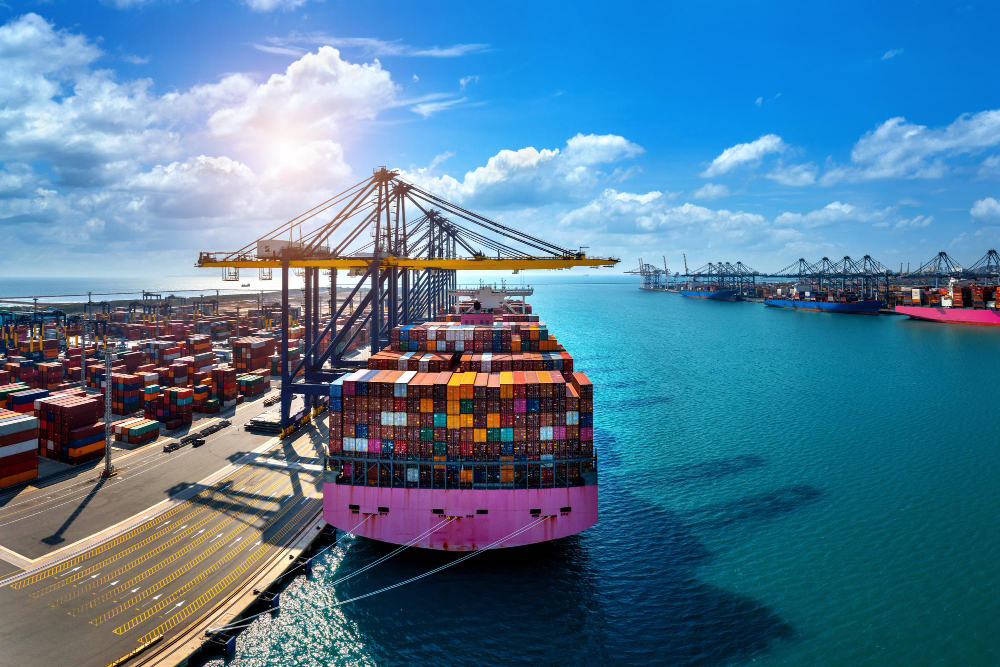
It’s who (or what) is moving. Autonomous logistics, the use of self-directing technologies in the physical and informational flows of a supply chain, is quietly but fundamentally changing the way supply chains operate, compete and adapt. For supply chain professionals, staying current with this change is no longer an option it’s a matter of staying relevant.
What Is Autonomous Logistics and Why Does It Matter Now?
Autonomous logistics refers to the use of technologies that can perceive, decide, and act within supply chain environments without continuous human intervention. These technologies span the physical and digital dimensions of the supply chain — from robots that move goods across warehouse floors to AI systems that plan and re-plan supply chain operations in real time in response to changing conditions.
The significance of autonomous logistics in SCM lies not just in what individual technologies can do, but in what they can do together. As AI, robotics, IoT, and digital twins become increasingly interconnected, supply chains are moving from systems that require human operators to make every meaningful decision towards systems that can make many of those decisions autonomously, escalating only the exceptions that genuinely require human judgement.
This shift has profound implications for supply chain professionals both in terms of the roles they will play and the skills they will need to perform them effectively.
Artificial Intelligence and Machine Learning
Forecasting, Routing and Decision-Making
Artificial intelligence and machine learning are cognitive bases of autonomous logistics in SCM. At the forecasting level, AI is able to process large and diverse data sets, including historical demand, market signals, weather patterns, social media trends, and economic indicators, to generate demand forecasts that are more accurate and more dynamically responsive than traditional statistical models.
In logistics and transportation, machine learning algorithms optimise routing decisions in real time, accounting for traffic conditions, weather disruptions, delivery time windows, and vehicle capacity simultaneously. This level of optimisation, which would take human planners hours to compute manually, happens in seconds and updates continuously as conditions change throughout the day.
At the decision-making level, AI-powered supply chain platforms are increasingly capable of identifying supply chain risks, recommending corrective actions, and in some cases implementing those actions autonomously within pre-approved parameters. This represents a fundamental shift in the relationship between human planners and the systems they use, with AI moving from a reporting tool to an active decision-making partner.
Agentic AI
Autonomous Planning and Execution
Agentic AI is the next evolution beyond the current AI tools. Traditional artificial intelligence systems are reactive; they produce outputs based on inputs for humans to act upon. But agentic artificial intelligence systems are proactive: they can independently set goals, develop multi-step plans, take action, and adjust their approach based on feedback all on their own.
In the field of autonomous logistics in SCM, agentic AI is starting to change the planning and execution cycles. A core benefit is the ability of an agentic AI system to detect, for example, a delay in a supplier, understand how that affects production schedules, explore alternative sourcing options, evaluate the relative costs of each and implement the most appropriate response all faster than any human-managed process.
For supply chain professionals, agentic AI does not eliminate the need for human expertise. It changes where that expertise is most valuable, shifting the focus from routine execution towards strategy, exception management, and the governance of autonomous systems.
Autonomous Mobile Robots
Picking, Movement and Fulfilment
Autonomous mobile robots, commonly known as AMRs, are transforming warehouse operations by taking over the repetitive, physically demanding, and time-sensitive tasks that have historically defined the warehouse workforce experience. Unlike fixed automated systems, AMRs are flexible they can navigate dynamic environments, adapt to changing layouts, and be redeployed to different tasks as operational needs shift.
In fulfilment operations, AMRs work alongside human pickers to reduce travel time, improve pick accuracy, and increase throughput. In larger facilities, fleets of AMRs operate collaboratively, coordinating their movements through centralised AI systems that continuously optimise task allocation across the entire fleet.
The impact of AMRs on autonomous logistics in SCM extends beyond efficiency. They enable supply chains to scale rapidly in response to demand peaks without the lead time and cost associated with recruiting and training additional warehouse staff, providing a level of operational flexibility that was previously unavailable to most organisations.
IoT and Sensors
Real-Time Tracking and Visibility
The Internet of Things provides the sensory layer that makes autonomous logistics in SCM possible at scale. IoT sensors embedded in products, pallets, vehicles, and storage locations continuously transmit data on location, temperature, humidity, shock, and other conditions that are critical to supply chain integrity.
This real-time data stream fills in the blind spots that have historically made supply chains reactive rather than proactive. For example, when a temperature sensor indicates that a cold chain shipment has exceeded its safe threshold, an autonomous system can immediately raise the alarm, assess the impact on product quality, notify the relevant teams, and trigger a replacement shipment; all before a human operator would have been aware of the problem.
And IoT-enabled visibility is equally disruptive at the inventory level, where the availability of continuous real-time stock data enables more accurate replenishment decisions, reduces safety stock requirements, and facilitates the demand-driven planning that is the hallmark of the most sophisticated supply chains in operation today.
Digital Twins

Simulation and Scenario Planning
Digital twins are virtual replicas of physical supply chain networks, assets, or processes that are continuously updated with real-world data. In the context of autonomous logistics in SCM, digital twins serve as the simulation environment within which autonomous systems can model, test, and refine their decisions before implementing them in the real world.
For instance, a distribution network’s digital twin allows an autonomous planning system to simulate the impact of a warehouse closure, a transportation strike or a sudden demand spike across the entire network identifying the optimal response and pre-positioning resources before the disruption fully materialises.
Beyond disruption response, digital twins support ongoing optimisation. By continuously running simulations against live operational data, they identify inefficiencies, model the impact of proposed changes, and provide supply chain leaders with an evidence base for strategic decisions that would otherwise depend on intuition and experience alone.
Computer Vision
Warehouse Inspection and Handling
Computer vision technology enables machines to interpret and respond to visual information from the physical world a capability that is unlocking significant new possibilities for autonomous logistics in SCM within warehouse environments.
In quality inspection, computer vision systems can assess products, packaging, and labels at speeds and accuracy levels that far exceed manual inspection processes. Damaged goods, mislabelled products, and packing errors are detected automatically, reducing the risk of defective products reaching customers and the cost of downstream returns and complaints.
Computer vision in goods handling enables robotic systems to identify, pick up and place objects of different shapes, sizes and orientations. This has traditionally been one of the more difficult areas of warehouse automation. As algorithms for computer vision become more sophisticated, so the range of products that can be handled autonomously is also increasing, and automated handling becomes possible for supply chains that handle products with very variable or irregular profiles.
Autonomous Vehicles
Transportation and Material Movement
Autonomous vehicles spanning autonomous trucks, delivery drones, and automated guided vehicles within facilities represent the physical transportation dimension of autonomous logistics in SCM. Within warehouses and distribution centres, automated guided vehicles and autonomous forklifts are already handling material movement tasks with a level of reliability and consistency that reduces both operational costs and workplace safety incidents.
At the transportation level, autonomous trucking technology is moving quickly and trials of long-haul autonomous freight operations are showing the potential to reduce transportation costs and improve delivery consistency, while also addressing the driver shortage that has impacted logistics capacity in many markets. Full scale commercial deployment is still a work in progress but the trajectory is clear – autonomous vehicles will play an ever more central role in the physical movement of goods across supply chains in the years ahead.
How Supply Chain Professionals Should Respond to Autonomous Logistics
Building Technological Fluency
Understanding autonomous logistics in SCM at a conceptual level is the starting point. Professionals who can evaluate the benefits and risks of autonomous technologies, contribute meaningfully to technology selection decisions, and manage the interface between autonomous systems and human operations are consistently amongst the most valuable contributors to supply chain transformation programmes.
Investing in Structured Learning
The ASCM Supply Chain Technology Certificate provides supply chain professionals with a structured framework for understanding AI, robotics, IoT, and other technologies that underpin autonomous logistics in SCM without requiring a technical or engineering background. For professionals who want to build this fluency in a way that is recognised by employers, it represents one of the most practical learning investments available in 2026.
Ending Notes – Embracing the Evolving Role of the Supply Chain Professional
Autonomous logistics in SCM does not make supply chain professionals redundant. It changes where their expertise is most needed. As autonomous systems take on more routine execution tasks, the human role in supply chain management shifts towards strategy, governance, exception handling, and the continuous improvement of the autonomous systems themselves. Professionals who embrace this evolution and invest in the skills it requires will find themselves better positioned, not less so, in the supply chains of tomorrow.
At KnoWerX, we support supply chain professionals in building the knowledge and credentials needed to navigate the era of autonomous logistics in SCM with confidence. As ASCM’s Premier Elite Partner with 34 years of supply chain education excellence, we combine official learning systems with expert instructor guidance to prepare candidates not just for today’s exams but for tomorrow’s supply chains. If you are ready to build your capability in this rapidly evolving area, we would be glad to support your journey.
Image Reference: Magnific
Disclaimer: All trademarks, logos, and brand names are the property of their respective owners. All company, product, and service names used in this website are for identification purposes only. Use of these names, trademarks, and brands does not imply endorsement.