
Circular Supply Chains: The Future of Resource Efficiency
The traditional supply chain model was built on a linear structure extract, produce, consume, and discard. For decades, this approach prioritized scale, speed, and cost efficiency. However, growing environmental pressures, resource scarcity, rising waste generation, and changing consumer expectations are forcing businesses to rethink how supply chains operate.

In 2026, sustainability is no longer a peripheral initiative. It has become a strategic business requirement. This is where Circular Supply Chains are becoming increasingly popular. Rather than treating products and materials as disposable outputs, circular systems aim to extend resource life cycles, recover value continuously, and minimize waste across the network.
The shift toward Circular Supply Chains reflects a deeper transformation in global business strategy one where efficiency is no longer measured only by cost reduction, but also by how intelligently resources are utilized and regenerated.
What Are Circular Supply Chains and Why They Matter
Understanding the Concept of Circularity
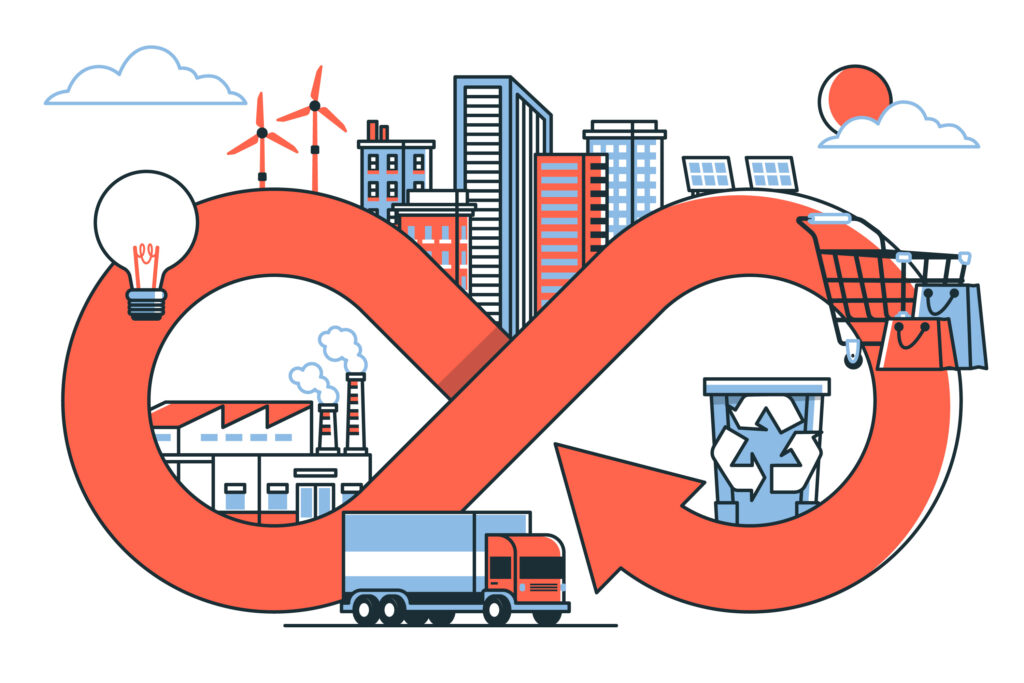
Circular Supply Chains are systems designed to keep materials, products, and resources in use for as long as possible through reuse, recycling, refurbishment, remanufacturing, and recovery.
Unlike traditional linear supply chains, circular models aim to create a closed-loop ecosystem where waste is minimized and value is continuously extracted from existing resources.
The focus shifts from ownership and disposal toward regeneration and lifecycle optimization.
This transformation is becoming increasingly important as businesses face mounting pressure to reduce environmental impact while maintaining operational efficiency.
The Shift from Linear to Circular Thinking
Traditional supply chains often depend heavily on continuous extraction of raw materials. This creates long-term sustainability concerns, particularly as resource availability becomes more constrained.
Circular Supply Chains challenge this approach by introducing systems that prioritize:
Product Longevity – Products are designed to last longer, reducing the need for frequent replacement.
Resource Recovery – Materials are recovered and reintroduced into the supply chain instead of being discarded.
Waste Reduction – Operational processes are redesigned to minimize excess production, packaging waste, and disposal.
Regenerative Value Creation – Businesses generate value not just from production, but also from recovery, refurbishment, and reuse.
This model changes how organizations think about production, consumption, and profitability.
Why Circular Supply Chains Matter in 2026
The importance of Circular Supply Chains continues to grow due to several interconnected factors.
Rising Resource Scarcity – The availability of raw materials is becoming increasingly uncertain and expensive. Circular systems reduce dependency on virgin resources by maximizing reuse.
Sustainability Regulations – Governments and global regulatory bodies are introducing stricter environmental compliance requirements. Businesses must now demonstrate responsible resource management practices.
Consumer Expectations – Modern consumers increasingly favor brands that prioritize sustainability and environmental responsibility.
Supply Chain Resilience – Circular models reduce reliance on external sourcing and improve continuity by creating internal recovery and reuse systems.
Long-Term Cost Optimization – Although implementation may require investment, circular systems often reduce waste, lower material costs, and improve resource efficiency over time.
In many ways, Circular Supply Chains are no longer just sustainability initiativesthey are becoming strategic business models.
How Circular Supply Chains Improve Resource Efficiency
Extending Product and Material Lifecycles
One of the biggest advantages of Circular Supply Chains is their ability to extend the usable life of products and materials.
Instead of discarding products after use, companies recover, repair, refurbish, or remanufacture them.
This reduces waste generation while maximizing the economic value extracted from each resource.
Reducing Raw Material Dependency
Global industries face increasing risks related to raw material shortages and price volatility.
By reusing and recycling materials internally, Circular Supply Chains help organizations reduce dependence on external sourcing.
This not only improves sustainability but also strengthens supply chain resilience against global disruptions.
Improving Waste Management
Traditional supply chains often generate significant operational waste across manufacturing, packaging, and distribution.
Circular systems redesign these processes to minimize excess and create mechanisms for material recovery.
This creates a more efficient and environmentally responsible operational model.
Supporting Sustainable Manufacturing
Manufacturing processes within Circular Supply Chains increasingly focus on renewable energy usage, recyclable materials, and modular product design.
Products are designed for easier disassembly, repair, and material separation, making recovery more practical and cost-effective.
Enhancing Economic Efficiency
Resource efficiency is not only an environmental objective it also has financial implications.
Businesses that reduce waste and maximize material utilization often achieve:
- Lower operational costs
- Improved inventory efficiency
- Reduced disposal expenses
- Better long-term resource stability
As resource costs continue to rise globally, these efficiencies become increasingly valuable.
Technologies Enabling Circular Supply Chain Transformation
Digital Tracking and Visibility
Technology plays a critical role in enabling Circular Supply Chains by providing visibility into product movement and material usage.
Digital tracking systems help organizations monitor products across their lifecycle from production to recovery.
This visibility supports better resource planning and recovery management.
Internet of Things (IoT)
IoT devices enable real-time monitoring of product condition, usage patterns, and operational performance.
This data helps companies determine when products require maintenance, refurbishment, or replacement.
It also improves predictive decision-making within circular systems.
Artificial Intelligence and Analytics
AI-powered analytics help organizations identify opportunities for reuse, optimize recovery processes, and improve resource allocation.
Predictive models support smarter inventory and lifecycle management decisions.
In complex supply chains, this intelligence is essential for scaling circular operations efficiently.
Blockchain for Traceability
Transparency is critical in circular ecosystems.
Blockchain technology enables secure tracking of materials and products throughout the supply chain, improving traceability and trust.
This aspect becomes particularly important for industries with strict sustainability and compliance requirements.
Automation and Robotics
Automation technologies improve sorting, recycling, and remanufacturing processes.
Advanced robotics can identify and separate reusable materials more efficiently, reducing operational costs and increasing recovery rates.
These technologies are accelerating the scalability of Circular Supply Chains across industries.
Challenges Companies Face in Building Circular Supply Chains
High Initial Investment
Transitioning from linear to circular systems often requires substantial investment in technology, infrastructure, and process redesign.
Many organizations struggle to balance short-term costs with long-term benefits.
Complex Reverse Logistics
Unlike traditional supply chains, circular systems require reverse logistics networks to recover products and materials from customers.
Managing this reverse flow efficiently remains a major challenge.
Limited Infrastructure and Ecosystems
In many regions, local governments and businesses still underdevelop recycling and recovery infrastructure.
Without strong ecosystem support, implementing Circular Supply Chains at scale becomes difficult.
Data and Visibility Challenges
Tracking products throughout their lifecycle requires integrated digital systems and accurate data management.
Many organizations still operate with fragmented systems that limit visibility.
Organizational Resistance to Change
Transitioning to circular models often requires significant cultural and operational shifts.
Employees, suppliers, and stakeholders may resist changes to traditional processes and business models.
Balancing Sustainability with Profitability
While circular systems provide long-term value, businesses must still maintain financial performance in the short term.
Balancing sustainability goals with operational efficiency remains a complex strategic challenge.
Building Strategic Capability for Circular Supply Chains
The transition toward Circular Supply Chains requires more than technology it requires skilled professionals who understand sustainability, operations, and strategic supply chain management.
Professionals must develop expertise in:
- Sustainable sourcing
- Reverse logistics
- Lifecycle management
- Digital supply chain technologies
- Risk and compliance management
At KnoWerX, we equip supply chain professionals with globally aligned learning frameworks that help them understand emerging models such as circular supply systems. The focus is on preparing professionals to lead sustainability-driven transformation while balancing operational and business priorities.
As global business strategy increasingly integrates circularity, industries will find this knowledge essential.
The Strategic Future of Circular Supply Chains
The evolution of Circular Supply Chains reflects a broader shift in how businesses define value creation.
For decades, growth depended largely on expanding production and consumption. Today, organizations are recognizing that long-term competitiveness also depends on how effectively they preserve and regenerate resources.
Circular systems represent a move toward resilience, sustainability, and intelligent resource management.
This transformation is not temporary it is structural.
Businesses that embrace circular principles early will likely gain advantages in operational stability, regulatory readiness, customer trust, and long-term cost efficiency.
Frequently Asked Questions
What are circular supply chains?
Circular supply chains are systems designed to reduce waste by reusing, recycling, refurbishing, and recovering materials and products.
Why are circular supply chains important in 2026?
They help businesses improve sustainability, reduce resource dependency, lower waste, and comply with growing environmental regulations.
What is reverse logistics in circular supply chains?
Reverse logistics involves collecting used products or materials for reuse, repair, recycling, or refurbishment.
Ending Notes
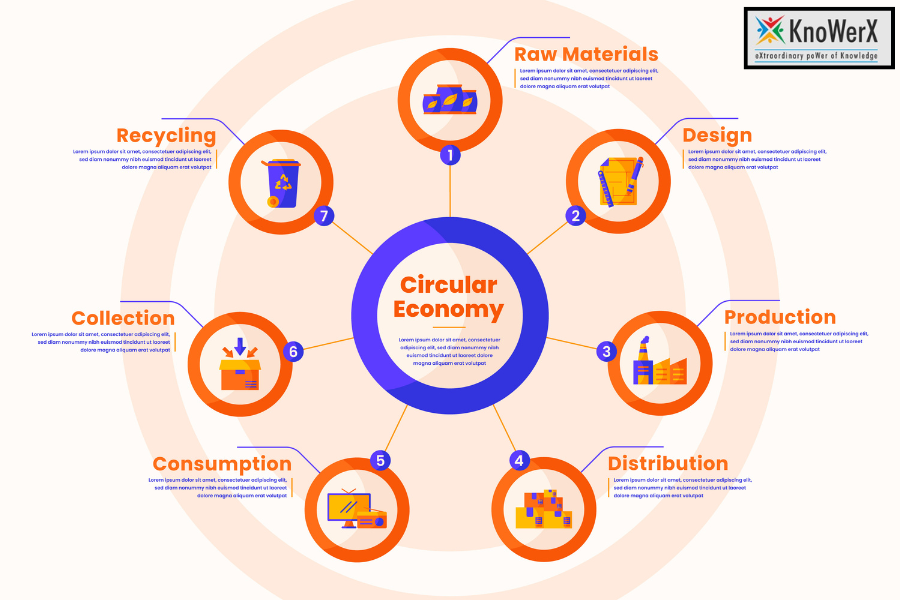
Circular Supply Chains are redefining the future of resource efficiency in 2026 and beyond. They challenge traditional linear models by creating systems that prioritize reuse, recovery, and sustainability.
As environmental pressures, resource scarcity, and regulatory expectations continue to increase, organizations must rethink how supply chains are designed and managed.
The transition will not be simple. It requires investment, technological integration, ecosystem collaboration, and skilled professionals capable of leading change.
However, businesses that successfully build Circular Supply Chains will be better positioned to reduce waste, strengthen resilience, and create long-term sustainable value.
The future of supply chains will depend not only on how efficiently products move, but also on how intelligently we preserve and regenerate resources.
Image Reference: Freepik
Disclaimer: All trademarks, logos, and brand names are the property of their respective owners. All company, product, and service names used in this website are for identification purposes only. Use of these names, trademarks, and brands does not imply endorsement.