Why Data Analytics Has Become Central to Modern Supply Chains | KnoWerx
Traditional supply chain management relied heavily on experience-driven judgement, static plans, and periodic reviews. While domain expertise remains valuable, today’s operating conditions demand a higher degree of precision and speed.
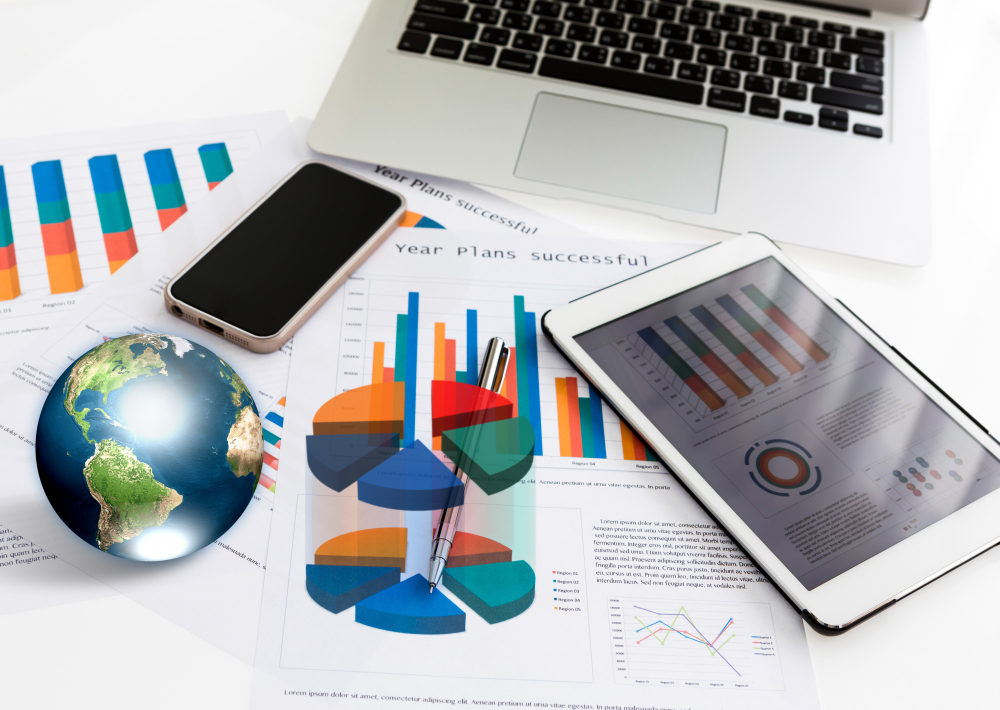
Global supply chains face fluctuating demand, shorter product lifecycles, ks, and transportation constraints. Manual planning approaches struggle to keep pace with these dynamics. Data Analytics in Supply Chain enables organisations to detect patterns early, quantify risks, and respond proactively instead of reacting after disruptions occur.
More importantly, analytics creates alignment. When demand, supply, and execution decisions are driven by a shared data foundation, functional silos begin to dissolve. This alignment is essential for sustained business efficiency.
Key Applications of Data Analytics Across the Supply Chain
Analytics in Demand Forecasting
Demand forecasting is one of the most visible and impactful applications of Data Analytics in Supply Chain. Forecast accuracy directly influences inventory levels, production stability, and customer service performance.
Traditional forecasting methods often rely on historical averages and manual adjustments. Analytics-driven forecasting incorporates multiple variables, including seasonality, promotions, customer behaviour, macroeconomic indicators, and real-time sales signals.
Advanced models continuously learn from new data, improving forecast accuracy over time. This reduces forecast bias, shortens reaction cycles, and enables more confident planning decisions. Improved demand visibility allows organisations to align supply more closely with actual market needs rather than assumptions.
Analytics for Inventory Optimisation
Inventory represents one of the largest investments on the balance sheet, yet it is often managed with limited visibility. Excess stock ties up working capital, while insufficient inventory disrupts service levels. Data Analytics in Supply Chain brings balance to this trade-off.
Analytics models evaluate demand variability, lead times, service level targets, and supplier reliability to determine optimal inventory positioning across locations. Instead of blanket safety stock policies, organisations can apply differentiated inventory strategies based on risk and value.
By continuously monitoring inventory performance, analytics identifies slow-moving items, potential stock-outs, and rebalancing opportunities. The result is lower carrying costs, improved cash flow, and more reliable fulfilment without over-buffering the system.
Analytics in Production Planning
Production planning sits at the intersection of demand signals, capacity constraints, and material availability. Poor alignment leads to schedule instability, overtime costs, and inefficient asset utilisation.
With Data Analytics in Supply Chain, production plans are informed by real demand forecasts, inventory positions, and capacity scenarios. Analytics models help planners evaluate trade-offs between cost, service, and utilisation before committing to a plan.
Scenario analysis allows organisations to assess the impact of demand surges, supply delays, or capacity changes in advance. This improves schedule adherence, reduces firefighting, and creates a more predictable manufacturing environment.
Role of Data Analytics in Improving Business Efficiency
Business efficiency is not achieved through isolated cost reductions. It is achieved when processes flow smoothly, decisions are consistent, and resources are deployed where they create the most value. Data Analytics in Supply Chain contributes to efficiency across multiple dimensions.
First, analytics reduces decision latency. Real-time dashboards and alerts enable faster responses to deviations, preventing small issues from escalating into major disruptions.
Second, analytics improves decision quality. By quantifying risks and trade-offs, decisions move from intuition-driven to evidence-based. This consistency improves outcomes across planning cycles.
Third, analytics enables cross-functional alignment. When procurement, manufacturing, logistics, and sales operate on shared insights, conflicting priorities are reduced. Efficiency emerges not from working harder, but from working in sync.
Platforms like KnoWerX play a critical role here by integrating analytical insights into everyday operational and strategic workflows, ensuring that data supports action rather than remaining theoretical.
Tools and Technologies Used in Supply Chain Analytics
Modern Data Analytics in Supply Chain relies on an ecosystem of interconnected tools rather than a single system. Each technology plays a distinct role in the analytics stack.
Enterprise Resource Planning (ERP) Systems
ERP systems provide the transactional backbone, capturing data across procurement, production, inventory, and finance. They serve as the primary source of operational truth.
Advanced Planning and Scheduling (APS) Tools
These tools use analytics to optimise demand planning, supply planning, and production scheduling, enabling scenario-based decision-making.
Business Intelligence and Analytics Platforms
BI tools transform raw data into dashboards, scorecards, and performance insights that support both operational and executive decision-making.
Cloud-Based Collaboration Platforms
Cloud technologies enable real-time data sharing across supply chain partners, supporting collaborative planning and execution.
Artificial Intelligence and Machine Learning
AI-driven analytics enhances forecast accuracy, identifies hidden patterns, and supports prescriptive recommendations in complex environments.
The effectiveness of these tools depends not only on technology selection but on integration, governance, and user adoption areas where structured frameworks such as KnoWerX add value.
Challenges in Implementing Supply Chain Analytics
Despite its benefits, implementing Data Analytics in Supply Chain is not without challenges. Many organisations struggle to move beyond pilot projects.
Common challenges include poor data quality, fragmented systems, and lack of analytical skills. Inconsistent master data and disconnected platforms undermine trust in analytical outputs.
Cultural resistance is another barrier. Analytics-driven decision-making often challenges established practices and intuition-based authority. Without leadership support, adoption stalls.
Finally, organisations may focus too heavily on technology without addressing process redesign and governance. Analytics delivers value only when embedded into how decisions are made.
Best Practices for Successful Supply Chain Analytics Adoption
Successful adoption of Data Analytics in Supply Chain requires a structured approach. Organisations should begin with clear business objectives rather than abstract analytical ambitions.
Data governance must be prioritised to ensure accuracy, consistency, and accountability. Analytics initiatives should focus on decision-impacting use cases rather than generic reporting.
Cross-functional involvement is essential. When users participate in design and interpretation, trust and adoption increase. Continuous learning and capability building ensure that analytics evolves with business needs.
Most importantly, analytics should be treated as a capability, not a project. Frameworks like KnoWerX support this mindset by aligning data, tools, and decision processes into a coherent operating model.
Frequently Asked Questions
What is Data Analytics in Supply Chain Management?
Data Analytics in Supply Chain Management refers to the use of data, statistical models, and analytical tools to improve decision-making across demand forecasting, inventory management, production planning, logistics, and supplier coordination. It helps organisations move from reactive actions to proactive, insight-driven decisions.
Why has data analytics become so important for modern supply chains?
Modern supply chains operate in a highly dynamic environment with fluctuating demand, global sourcing risks, and shorter product lifecycles. Traditional manual planning cannot respond fast enough. Data analytics enables real-time visibility, faster responses, and better risk management, making supply chains more resilient and efficient.
How does data analytics improve demand forecasting accuracy?
Analytics-driven demand forecasting uses multiple data sources such as historical sales, seasonality, promotions, customer behaviour, and external market indicators. Advanced models continuously learn from new data, reducing forecast bias and improving accuracy over time, which leads to better inventory and production decisions.
Ending Notes
In today’s complex operating environment, efficiency is inseparable from intelligence. Data Analytics in Supply Chain enables organisations to see clearly, decide confidently, and act proactively across demand forecasting, inventory optimisation, and production planning.
When analytics is embedded into everyday decision-making, supply chains management become more responsive, resilient, and strategically aligned. The organisations that succeed will not be those with the most data, but those that convert data into insight and insight into sustained business efficiency.
Image Reference: Freepik
Disclaimer: All trademarks, logos, and brand names are the property of their respective owners. All company, product, and service names used in this website are for identification purposes only. Use of these names, trademarks, and brands does not imply endorsement.