Supplier Risk Management | Build a Resilient Supply Chain | KnoWerX
Businesses rely on suppliers to supply the raw materials, components, products and services they need to run their operations. But supplier-related problems could influence production schedules, product quality, delivery commitments and overall business performance.
A single disruption in a critical supplier can create challenges across the supply chain. Unexpected risks for organisations can arise from delayed deliveries, financial instability, quality issues and geopolitical developments.

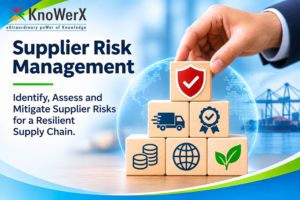
This makes Supplier Risk Management an integral part of today’s supply chain management. By identifying potential supplier risks, assessing their impact and developing appropriate mitigation plans, businesses can improve the reliability of their supply chains and protect their operations.
Understanding Supplier Risk Management and Why It Matters
Supplier Risk Management is the process of identifying, assessing, monitoring and managing the risks associated with suppliers and their ability to meet business requirements.
It includes evaluating supplier performance, financial stability, operational capabilities, compliance practices and potential external threats.
Effective supplier risk management helps businesses:
- Reduce the possibility of supply disruptions.
- Improve supplier reliability and performance.
- Maintain product and service quality.
- Protect business continuity.
- Reduce unexpected procurement and operational costs.
- Build stronger supplier relationships.
- Improve overall supply chain resilience.
Rather than addressing supplier problems only after they occur, organisations should take a proactive approach to identifying and managing potential risks.
Seven Critical Supplier Risks Businesses Cannot Afford to Ignore
- Financial Stability Risk
If a supplier is having financial difficulties, it may not be able to continue to operate, purchase materials or meet its obligations to its customers. In the worst cases, financial instability can push a business into closure.
Organisations should evaluate supplier financial health, payment practices and business stability before establishing important supplier relationships and during ongoing reviews.
- Delivery and Lead Time Risk
Late deliveries can disrupt production schedules, increase inventory requirements and affect customer commitments.
Businesses should monitor supplier delivery performance, evaluate lead time reliability and maintain suitable contingency arrangements for critical materials.
- Quality Risk
Poor quality materials or components may result in production problems, product defects, customer complaints and extra expenses.
Organisations should define quality requirements, evaluate suppliers and monitor the consistency of products and services supplied.
- Geopolitical and Regulatory Risk
Political instability, trade restrictions, tariffs, and regulatory changes can affect suppliers in different countries.
Businesses with international supply chains should understand the geographical exposure of their suppliers and consider appropriate alternative sourcing options.
- Cybersecurity and Data Security Risk
Suppliers may have access to sensitive business information, systems and digital platforms. A cybersecurity incident involving a supplier can therefore create risks for the organisation.
Businesses should evaluate supplier security practices, establish appropriate data protection requirements and monitor relevant cybersecurity risks.
- Dependency and Single-Source Risk
A business is vulnerable to considerable disruption if it relies heavily on a single supplier for essential materials, particularly if that supplier encounters operational problems.
Organisations should identify critical single-source dependencies and consider alternative suppliers, additional sourcing arrangements or appropriate contingency inventory.
- Environmental and Sustainability Risk
Environmental incidents, unethical behaviour and failure to meet sustainability criteria can impact suppliers’ operations and put organisations at risk of reputational and regulatory damage.
Businesses should evaluate supplier environmental practices, compliance requirements and sustainability performance as part of their supplier management processes.
How to Identify, Assess and Prioritize Supplier Risks
Managing supplier risks begins with understanding where vulnerabilities exist.
Businesses can follow a structured approach:
Identify critical suppliers: Determine which suppliers provide materials or services that are essential to business operations.
Collect supplier information: Review financial information, delivery records, quality performance, compliance practices and operational capabilities.
Assess potential risks: Evaluate the likelihood of each risk occurring and its possible impact on business operations.
Prioritise risks: Focus on suppliers and risks that could create the greatest operational, financial or reputational consequences.
Monitor continuously: Review supplier performance regularly and update risk assessments when business conditions change.
A structured assessment process helps organisations allocate resources towards the supplier risks that matter most.
Seven Proven Strategies to Mitigate Supplier Risks
Businesses can strengthen supplier risk management through several practical strategies.
- Supplier diversification: Avoid excessive dependence on a single supplier for critical materials.
- Regular supplier evaluations: Review financial stability, quality, delivery and operational performance.
- Strong supplier relationships: Maintain clear communication and collaborate with suppliers to resolve potential issues.
- Contingency planning: Prepare alternative arrangements for critical materials and services.
- Contract management: Establish clear expectations regarding delivery, quality, compliance and responsibilities.
- Technology and monitoring: Use appropriate systems to improve supplier visibility and identify potential warning signs.
- Continuous improvement: Regularly review supplier risks and update mitigation plans as business requirements change.
These strategies can help organisations reduce vulnerabilities and improve their ability to respond to unexpected challenges related to suppliers.
Building a Resilient Supply Chain Through Effective Supplier Risk Management
Supplier risk management isn’t just a procurement department responsibility. This means working with procurement, supply chain, operations, quality, finance and other relevant business functions.
Organisations that proactively identify supplier risks and put the right mitigation measures in place are better positioned to manage disruptions and keep their businesses running.
For professionals, building knowledge in supplier risk management may improve the capabilities of procurement, supplier relationship management and supply chain resilience.
KnoWerX has been in supply chain education & professional training since 1992. The programme portfolio provides learning opportunities in procurement, supplier relationship management, supply chain resilience and wider supply chain management.
KnoWerX offers a range of ASCM certification and certificate programmes, as well as other specialised learning opportunities for professionals looking to extend their knowledge.
Frequently Asked Questions
What are the major types of supplier risks?
Major risks include financial instability, delivery delays, quality issues, geopolitical disruptions, cybersecurity threats, supplier dependency and sustainability concerns.
Why is supplier risk management important?
It helps businesses minimise supply disruptions, protect product quality, maintain continuity and build more resilient supply chains.
How can businesses reduce supplier risks?
Businesses can reduce risks through supplier assessments, regular performance monitoring, risk analysis, alternative sourcing and clear supplier agreements.
Strengthen Your Supplier Risk Management Knowledge with KnoWerX

Risks from suppliers can affect any part of the supply chain, from procurement, production, delivery or customer satisfaction. It is important to know how to identify, assess and mitigate such risks so as to build a more reliable and resilient supply chain.
If you work in procurement, supplier management, operations or supply chain planning, developing the right skills can help you add more value to better risk management decisions.
The KnoWerX supply chain and procurement training programmes will help you to develop your professional skills and prepare you for the demands of a modern supply chain.
For more information about the programmes and upcoming training dates, please contact KnoWerX.
Image Reference: Magnific
Disclaimer: All trademarks, logos, and brand names are the property of their respective owners. All company, product, and service names used in this website are for identification purposes only. Use of these names, trademarks, and brands does not imply endorsement.