Understanding the Role of Supply Chain in the Shipping Industry
The global economy moves on water. Every day, millions of tonnes of goods travel across oceans, connecting manufacturers, suppliers, and consumers across continents. At the center of this vast movement lies the supply chain in shipping, a structured system that ensures goods are transported efficiently, safely, and on time.
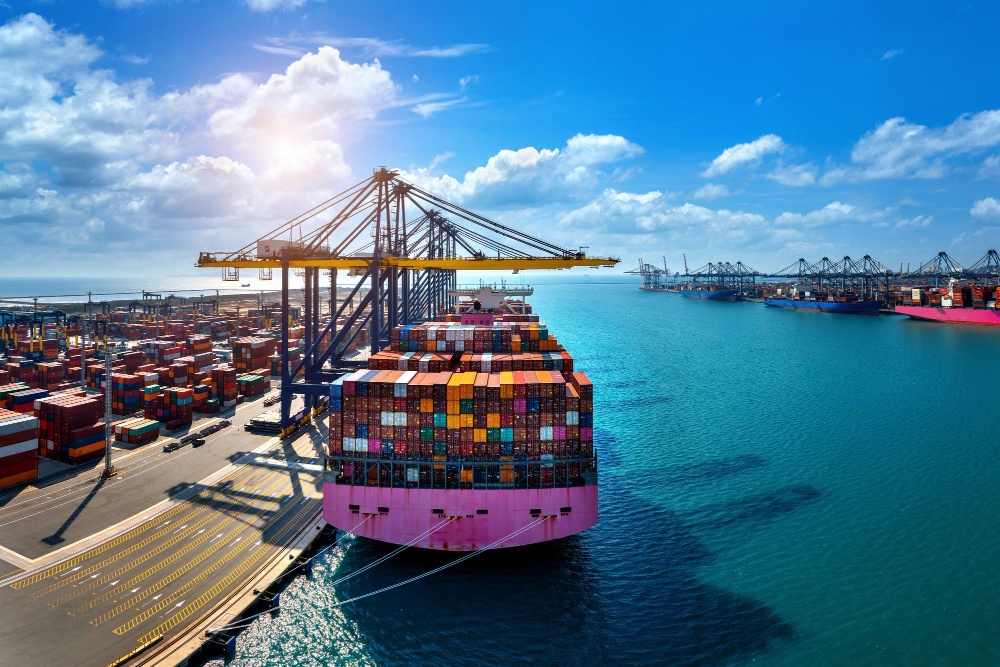
The supply chain in shipping is not just about moving cargo from one port to another. It is a coordinated network involving procurement, transportation, warehousing, customs clearance, and final delivery. Each stage must align seamlessly to ensure smooth operations.
In the shipping industry, even minor disruptions such as port congestion or documentation delays—can have ripple effects across global markets. This is why a well-managed supply chain in shipping is critical for maintaining trade continuity, controlling costs, and meeting customer expectations.
Key Components of Supply Chain in Shipping
The effectiveness of the supply chain in shipping depends on several interconnected components that work together to ensure operational efficiency.
1. Transportation and Logistics
Shipping forms the backbone of international logistics. It involves route planning, carrier selection, freight management, and timely delivery. Efficient coordination between shipping lines, ports, and inland transport is essential.
2. Warehousing and Inventory Management
Goods often need to be stored temporarily at ports or distribution centers. Proper inventory management ensures that stock levels are optimised and goods are readily available for dispatch.
3. Port Operations
Ports act as critical nodes in the shipping supply chain. Efficient loading, unloading, and cargo handling operations directly impact turnaround time and overall supply chain performance.
4. Documentation and Compliance
Shipping involves complex documentation, including bills of lading, customs declarations, and regulatory approvals. Accurate and timely documentation is crucial to avoid delays and penalties.
5. Supply Chain Visibility
Modern shipping relies on real-time tracking systems that provide visibility into cargo movement. This helps businesses monitor shipments, anticipate delays, and make informed decisions.
Benefits of an Efficient Supply Chain in Shipping
A well-optimised supply chain in shipping offers significant advantages to businesses operating in global trade.
1. Cost Optimisation
Efficient planning and coordination reduce transportation costs, minimise delays, and lower inventory holding expenses. This leads to better profit margins.
2. Improved Delivery Timelines
A streamlined supply chain ensures timely delivery of goods, which is crucial for maintaining customer satisfaction and business credibility.
3. Enhanced Operational Efficiency
When all components of the shipping supply chain work in harmony, businesses experience smoother operations and fewer disruptions.
4. Better Risk Management
An efficient supply chain helps identify potential risks early, allowing businesses to take proactive measures and minimise losses.
5. Competitive Advantage
Companies with strong supply chain capabilities can respond faster to market demands, giving them an edge over competitors.
Challenges Faced in Shipping Supply Chains
Despite its importance, managing the supply chain in shipping comes with several challenges that can impact performance and reliability.
1. Port Congestion
Busy ports often experience delays due to high traffic, limited infrastructure, or operational inefficiencies. This can disrupt shipment schedules.
2. Regulatory Complexities
Different countries have different customs regulations and compliance requirements. Navigating these complexities can be time-consuming and challenging.
3. Demand Fluctuations
Unpredictable demand patterns can create imbalances in supply and inventory, leading to inefficiencies.
4. Rising Fuel Costs
Fuel is a major expense in shipping operations. Fluctuations in fuel prices can significantly impact overall costs.
5. Limited Visibility
In traditional systems, lack of real-time tracking can make it difficult to monitor shipments and respond to disruptions effectively.
Future Trends Shaping the Supply Chain in Shipping
The supply chain in shipping is evolving rapidly, driven by technological advancements and changing global trade dynamics.
1. Digital Transformation
Technologies such as artificial intelligence, blockchain, and IoT are transforming shipping operations. These tools enhance transparency, improve decision-making, and reduce inefficiencies.
2. Automation in Ports
Automated cranes, robotics, and smart port systems are improving cargo handling speed and accuracy, reducing turnaround times.
3. Real-Time Tracking and Analytics
Advanced tracking systems provide end-to-end visibility, enabling businesses to monitor shipments and optimise supply chain performance.
4. Sustainable Shipping Practices
Environmental concerns are pushing the industry toward greener solutions, such as fuel-efficient vessels and reduced carbon emissions.
5. Resilient Supply Chain Models
Post global disruptions, companies are focusing on building more resilient and flexible supply chains that can adapt to uncertainties.
Frequently Asked Questions
What is the supply chain in shipping?
The supply chain in shipping refers to the entire process of moving goods from suppliers to customers through sea transport, including logistics, warehousing, and delivery.
Why is the supply chain important in the shipping industry?
It ensures efficient movement of goods, reduces costs, improves delivery timelines, and supports global trade operations.
What are the main components of a shipping supply chain?
Key components include transportation, port operations, warehousing, inventory management, documentation, and real-time tracking systems.
Ending Notes
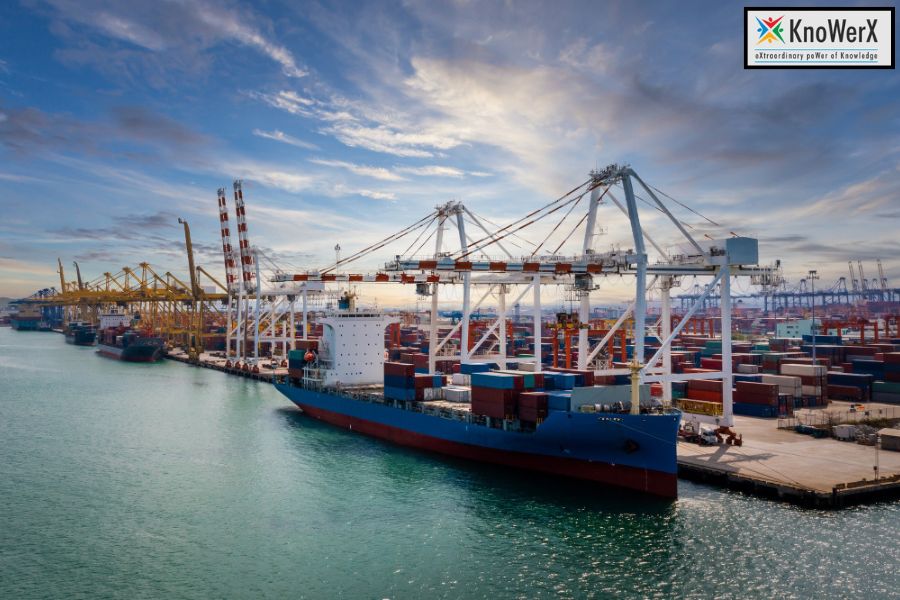
The supply chain in shipping is the backbone of global trade, connecting economies and enabling the seamless movement of goods across the world. Its importance extends beyond logistics it directly impacts business performance, customer satisfaction, and economic growth.
As the shipping industry continues to evolve, businesses must invest in efficient supply chain strategies, adopt new technologies, and build resilience against disruptions. A strong supply chain in shipping is not just an operational necessity it is a strategic advantage in an increasingly competitive global marketplace.
Image Reference: Freepik
Disclaimer: All trademarks, logos, and brand names are the property of their respective owners. All company, product, and service names used in this website are for identification purposes only. Use of these names, trademarks, and brands does not imply endorsement.