
Inventory Positioning Strategies That Cut Delays Fast
In a volatile supply chain environment, speed is no longer a competitive advantage; it is a necessity. Delays caused by poor inventory placement lead to missed sales, unhappy customers, and rising operational costs. This is why inventory positioning strategies have become a critical focus area for supply chain leaders aiming to improve service levels without increasing overall inventory.
At KnoWerX, we consistently see high-performing supply chains succeed not by holding more stock, but by positioning the right inventory in the right location at the right time. Let’s explore proven inventory positioning strategies that help organizations cut delays fast and build resilient, demand-driven operations.
1. Strategic Stock Placement Closer to Demand Centers
One of the most effective ways to reduce delivery lead times is placing inventory closer to where demand actually occurs. Centralized warehouses may offer cost efficiency, but they often increase transit time and risk.
Strategic stock placement involves analyzing customer demand patterns, order frequency, and regional sales data to determine optimal inventory locations. By positioning fast-moving products near high-consumption areas, companies can shorten delivery cycles, reduce transportation expenses, and improve customer satisfaction.
This approach is especially critical in omnichannel environments, where customers expect fast and reliable fulfilment regardless of location.
2. Smart Use of Safety Stock and Buffer Positioning.
Safety stock is essential, but excess safety stock is costly. The key lies in buffer positioning, not blanket inventory build-up.
Effective inventory positioning strategies aim to place extra stock where there are the most uncertainties, like long wait times from suppliers, changes in demand, or limits in production. Instead of spreading safety stock evenly across all locations, leading organizations concentrate buffers at strategic decoupling points.
This approach protects service levels while keeping overall inventory investment under control. At KnoWerX, we emphasize demand-driven principles that help professionals determine where buffers create the most value, rather than simply increasing stock everywhere.
3. ABC Classification to Prioritize High-Impact Inventory
Not all inventory deserves the same level of attention. ABC’s classification helps organisations prioritise inventories based on value, demand, criticality, or business impacts.
- A-items: High-value or high-impact products requiring tight control and optimal positioning
- B-items: Moderate importance, balanced placement
- C-items: Low-value items with flexible positioning
By aligning inventory positioning decisions with ABC classification, companies ensure that critical items are always available near demand centers, while lower-impact items are managed more cost-effectively. This targeted approach significantly reduces delays for products that matter most to customers.
4. Real-Time Inventory Visibility Across Locations
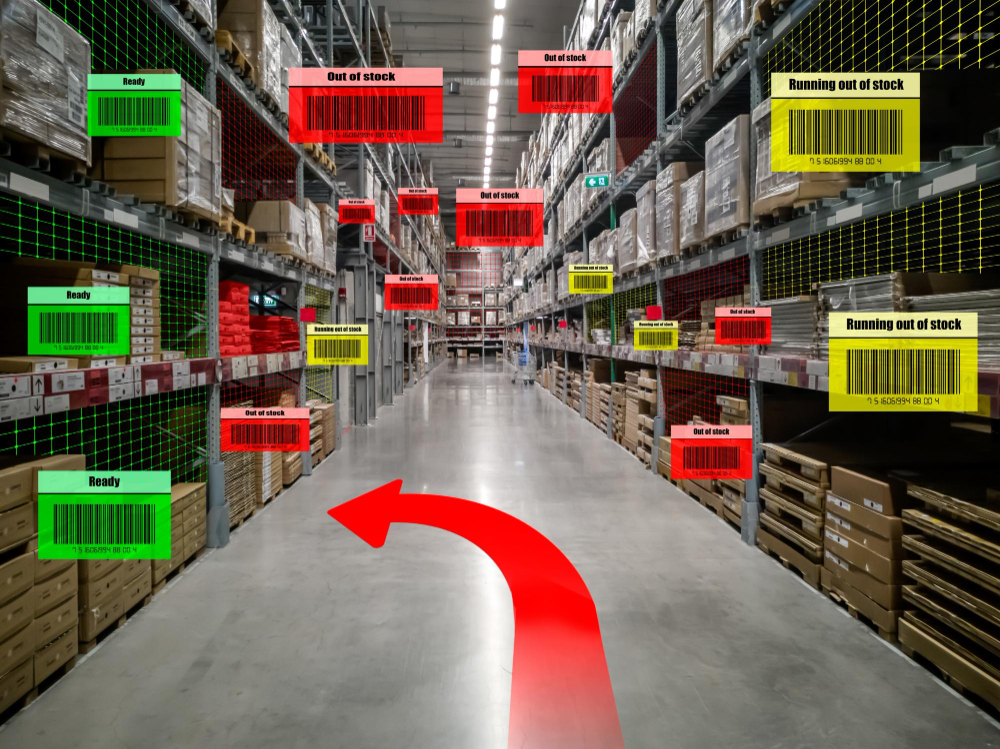
Inventory positioning fails without visibility. Many delays occur not due to lack of stock, but due to lack of information.
Real-time inventory visibility allows supply chain teams to see stock levels across warehouses, distribution centers, and stores in one unified view. This enables faster decision-making, dynamic reallocation of inventory, and proactive response to demand spikes or disruptions.
With accurate visibility, organizations can redirect inventory to the most critical locations before shortages occur, cutting delays without emergency shipments or last-minute firefighting.
5. Multi-Location Fulfillment and Regional Warehousing Strategy
A single-warehouse model is no longer sufficient for complex supply chains. Multi-location fulfilment strategies use a network of regional warehouses to support faster delivery and risk mitigation.
Regional warehousing allows companies to:
- Serve customers faster
- Reduce dependence on one location
- Absorb disruptions more effectively
- Support flexible order fulfilment
Inventory positioning across multiple locations requires strong planning capabilities, data-driven decisions, and clear rules for replenishment and redistribution. When executed well, it significantly improves responsiveness while maintaining cost efficiency.
Turning Strategy into Execution with KnoWerX
Inventory positioning is not just a planning exercise; it is an execution capability. The best strategies fail without skilled professionals who understand demand patterns, variability, and supply chain trade-offs.
At KnoWerX, we help supply chain professionals develop practical expertise in inventory positioning through globally recognized learning frameworks and real-world application. Our programmes focus on building decision-making skills that translate theories into measurable performance improvements.
Frequently Asked Questions
What are inventory positioning strategies?
Inventory positioning strategies focus on placing the right stock at the right locations to meet demand quickly while controlling overall inventory costs.
How does placing inventory closer to demand help?
Positioning inventory near demand centres reduces transportation time, lowers shipping costs, and ensures faster order fulfilment for customers.
What is buffer or safety stock positioning?
Buffer positioning places extra inventory only at critical points with high uncertainty, such as long supplier lead times or demand variability, instead of across all locations.
Ending Notes
Delays in the supply chain are rarely caused by a single issue. More often, they stem from poor inventory placement, weak visibility, and outdated planning assumptions. By adopting smart inventory positioning strategies, from strategic stock placement and buffer positioning to ABC classification and multi-location fulfilment organizations can cut delays fast without inflating inventory costs.
In a world of uncertainty, the ability to position inventory intelligently is what separates reactive supply chains from truly resilient ones.
Image Reference: Freepik
Disclaimer: All trademarks, logos, and brand names are the property of their respective owners. All company, product, and service names used in this website are for identification purposes only. Use of these names, trademarks, and brands does not imply endorsement.