Understanding of Monitoring Capacity Buffers in Supply Chain Management?

Capacity buffers refer to the extra resources (machinery, labour, storage, or transportation) maintained to absorb unexpected fluctuations in demand or supply disruptions. These buffers act as a safety net, ensuring that operations continue smoothly even under stress.
Monitoring Capacity Buffers involves:
- Tracking real-time resource utilization
- Identifying underused or overburdened assets
- Adjusting capacity dynamically to match demand
- Preventing bottlenecks before they disrupt operations
Without proper Monitoring Capacity, businesses risk inefficiencies, stockouts, excess inventory, and lost revenue.
Why Monitoring Capacity Buffers is Crucial for Smart SCM
- Prevents Bottlenecks & Enhances Operational Flow
Supply chains are prone to congestion points where delays occur due to imbalanced workloads. Monitoring Capacity Buffers helps:
- Detect potential slowdowns in production or logistics
- Reallocate resources to maintain smooth operations
- Reduce lead times and improve order fulfilment
Example: A manufacturing plant with real-time Monitoring Capacity Buffers can shift labour between production lines to prevent downtime when one machine fails.
- Optimizes Resource Utilization & Reduces Costs
Excess capacity leads to wasted resources, while insufficient capacity causes delays. Monitoring Capacity Buffers ensures:
- Balanced workload distribution
- Minimized idle labour or machinery
- Lower operational costs through efficient asset use
Case Study: A logistics company reduced fuel and labour costs by 15% after implementing dynamic Monitoring Capacity Buffers in its fleet management.
- Improves Demand-Supply Alignment
Market demand fluctuates due to seasons, trends, or disruptions. Monitoring Capacity Buffers enables businesses to:
- Scale production up or down based on real-time demand
- Avoid overstocking or stockouts
- Maintain optimal inventory levels
Example: A retail chain using AI-driven Monitoring Capacity Buffers adjusted warehouse staffing ahead of holiday sales spikes, improving efficiency by 20%.
- Mitigates Supply Chain Risks
Unpredictable events supplier delays, natural disasters, or sudden demand surges—can cripple unprepared businesses. Monitoring Capacity Buffers helps:
- Identify vulnerabilities in the supply chain
- Build resilience with backup resources
- Respond swiftly to disruptions
Case Study: An automotive supplier avoided a $2M loss during a port strike by rerouting shipments using real-time Monitoring Capacity Buffers data.
- Enhances Decision-Making with Data-Driven Insights
Modern SCM relies on analytics. Monitoring Capacity Buffers provides:
- Real-time visibility into resource usage
- Predictive analytics for future capacity needs
- Insights for better workforce and production planning
Example: A food processing company used historical Monitoring Capacity Buffers data to optimize seasonal hiring, reducing labour costs by 12%.
Challenges in Monitoring Capacity Buffers
While Monitoring Capacity offers immense benefits, businesses face hurdles such as:
- Data Accuracy & Integration Issues
- Siloed systems may provide inconsistent data.
- IoT and AI-driven tools can help unify data sources.
- Resistance to Change
- Employees may resist new monitoring systems.
- Training and change management are crucial.
- Cost of Implementation
- Advanced analytics tools require investment.
- However, long-term savings outweigh initial costs.
- Dynamic Demand Fluctuations
- Sudden market changes can strain buffers.
- AI-powered forecasting improves adaptability.
Best Practices for Effective Monitoring Capacity Buffers
- Implement Real-Time Tracking Systems
- Use IoT sensors, ERP, and SCM software for live updates.
- Cloud-based platforms enable remote Monitoring Capacity.
- Leverage Predictive Analytics
- AI and machine learning forecast demand trends.
- Helps adjust buffers proactively.
- Adopt Flexible Workforce Strategies
- Cross-train employees for multi-skilled roles.
- Use temp staffing during peak demand.
- Collaborate with Suppliers & Partners
- Share capacity data for better coordination.
- Jointly plan buffer strategies.
- Continuously Review & Optimize
- Regularly audit buffer performance.
- Adjust strategies based on new data.
How KnoWerX Helps You Master Smart SCM Strategies
At KnoWerX, our Supply Chain Management Training programs cover:
✔ Advanced SCM techniques, including Monitoring Capacity
✔ Real-world case studies from global supply chains
✔ Hands-on tools for predictive analytics and IoT integration
✔ Certification programs to validate your expertise
With 33+ years of industry experience, we’ve trained professionals from top firms like Amazon, Unilever, and DHL.
Frequently Asked Questions
What are Capacity Buffers in Supply Chain Management?
Capacity Buffers are extra resources such as labour, machinery, or storage maintained to absorb demand or supply shocks.
Why is Monitoring Capacity Buffers important?
It helps detect bottlenecks, optimise resources, reduce costs, and improve demand-supply alignment for smooth operations.
How does Monitoring Capacity Buffers reduce costs?
By avoiding overcapacity and idle resources, it ensures optimal utilisation, thereby cutting unnecessary operational expenses.
Ending Remarks: Monitoring Capacity Buffers = Smarter Supply Chains
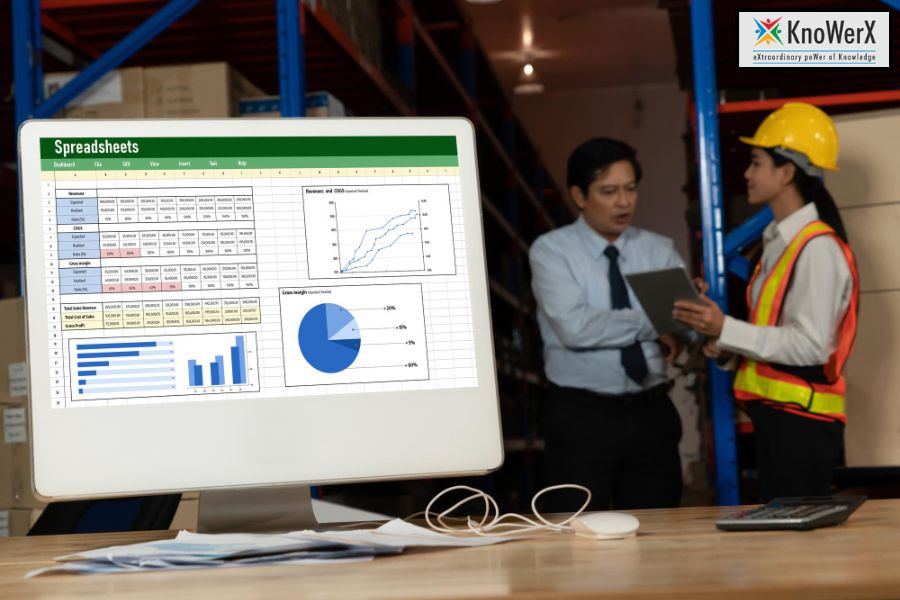
Monitoring Capacity Buffers is no longer optional it’s a necessity for resilient, efficient, and cost-effective supply chains. By adopting real-time tracking, predictive analytics, and flexible strategies, businesses can stay agile in a volatile market.
Ready to elevate your SCM skills? Enrol in KnoWerX’s Supply Chain Management Training today and gain the expertise to implement Smart SCM strategies successfully!
Image Reference: Freepik
Disclaimer: All trademarks, logos, and brand names are the property of their respective owners. All company, product, and service names used in this website are for identification purposes only. Use of these names, trademarks, and brands does not imply endorsement.