
The movement of crude oil across continents has always been complex but in 2026, it has become increasingly fragile. What was once a largely optimized logistical function is now exposed to geopolitical tensions, infrastructure constraints, and cost volatility. As a result, crude oil transportation risk is emerging as a critical concern for businesses that depend on stable energy supply.
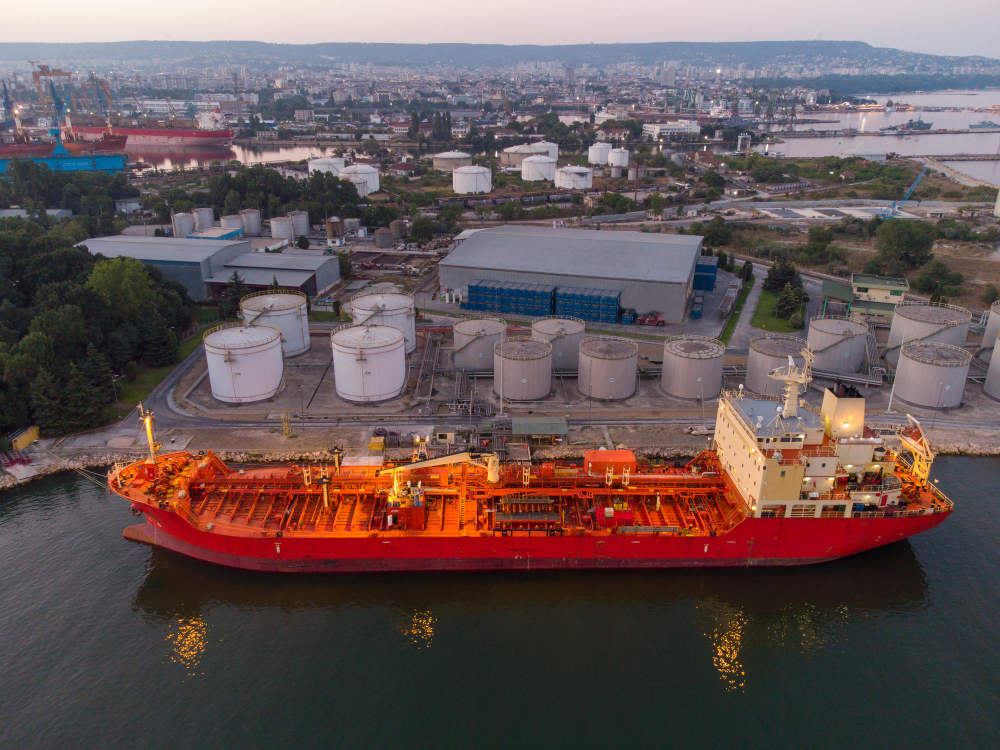
This is no longer just an operational issue. Rising transportation risks are influencing global trade flows, inflating costs, and testing the resilience of supply chains worldwide. For organizations, understanding and managing crude oil transportation risk is now essential to maintaining continuity and competitiveness.
Crude oil transportation forms the midstream backbone of the global energy ecosystem. Once extracted, oil must travel vast distances from production sites to refineries and ultimately to end markets.
This movement relies on a combination of pipelines, tanker ships, rail networks, and road transport. Each mode plays a distinct role, depending on geography, infrastructure, and cost considerations.
However, this complexity also introduces vulnerability. The global nature of oil movement means that even localized disruptions can ripple across the entire system. This interconnectedness is what makes crude oil transportation risk so significant within the broader supply chain.
In many ways, transportation is the most exposed segment where physical movement meets geopolitical reality.
Multiple, overlapping factors drive the rise of crude oil transportation risk, amplifying uncertainty across the supply chain.
Geopolitical Disruptions
Politically sensitive regions often house key oil transit routes. Any conflict, sanctions, or instability can disrupt shipping lanes and delay deliveries.
Chokepoints and Route Dependency
Critical passages such as narrow straits and canals handle a large portion of global oil movement. Heavy reliance on these routes creates bottlenecks and increases vulnerability to disruption.
Infrastructure Limitations
Aging pipelines, port congestion, and limited storage capacity can slow down transportation and increase operational risks.
Environmental and Climate Risks
Extreme weather events storms, floods, and temperature fluctuations can disrupt transportation networks and damage infrastructure.
Security Threats
Piracy, cyberattacks, and physical sabotage remain ongoing risks, particularly in high-traffic maritime zones.
Each of these factors contributes to the growing complexity of managing crude oil transportation risk, making it a priority for supply chain leaders.
The consequences of increasing crude oil transportation risk extend far beyond the energy sector. They influence the stability and cost structure of global supply chains.
Rising Operational Costs
Transportation expenses, including delays, rerouting, and insurance premiums, ultimately burden businesses and consumers.
Supply Disruptions
Interrupted oil flows can impact production schedules across industries, particularly in manufacturing and logistics.
Inflationary Pressure
Higher fuel costs drive up transportation expenses across sectors, contributing to broader economic inflation.
Demand-Supply Imbalance
Unpredictable transportation timelines make it difficult to align supply with demand, leading to inefficiencies and lost opportunities.
In this context, crude oil transportation risk becomes a systemic issue one that affects not just energy companies, but the entire global economy.
Managing crude oil transportation risk requires a proactive, strategic approach that integrates resilience into supply chain design.
Route and Mode Diversification
Reducing dependency on single routes or transportation modes helps mitigate disruption risks. Companies are increasingly exploring alternative pathways and multimodal options.
Strategic Storage and Buffering
Maintaining reserves at key locations provides a cushion against transportation delays and supply interruptions.
Real-Time Monitoring and Digital Visibility
Advanced tracking systems and predictive analytics enable companies to identify risks early and respond quickly.
Collaboration with Logistics Partners
Strong partnerships improve coordination, communication, and response efficiency during disruptions.
Scenario Planning and Risk Assessment
Developing contingency plans for different risk scenarios ensures preparedness and faster recovery.
At a deeper level, managing such complexity requires skilled professionals who understand both operational and strategic dimensions of supply chains.
This is where structured learning plays a role. Certifications like ASCM CSCP and KnoWerX CIBP provide supply chain professionals with the frameworks and insights needed to navigate challenges such as crude oil transportation risk. Through these programs, professionals learn to integrate risk management, global logistics, and resilience strategies into real-world decision-making.
At KnoWerX, the emphasis is on building this strategic capability equipping professionals not just to manage disruptions, but to anticipate and mitigate them effectively.
The global energy landscape is becoming more interconnected and more unpredictable. Transportation, once considered a stable link in the chain, is now one of its most vulnerable points.
Crude oil transportation risk is not a temporary challenge. It is a structural reality that businesses must adapt to.
Organizations that invest in diversification, digital visibility, and skilled talent will be better positioned to navigate this uncertainty. Businesses that rely on outdated models will increasingly expose themselves.
Crude oil transportation risk refers to the potential disruptions, delays, and cost increases involved in moving crude oil from production sites to refineries and end markets.
Key causes include geopolitical tensions, chokepoints, infrastructure limitations, environmental factors, and security threats like piracy or cyberattacks.
Chokepoints like straits and canals handle a large share of global oil flow, making them critical and highly vulnerable to disruptions.

In 2026, the movement of oil is as critical as its production. Disruptions in transportation can have immediate and far-reaching consequences.
Crude oil transportation risks underscore the necessity of a more resilient, adaptive approach to supply chain management. It calls for strategic thinking, proactive planning, and continuous capability building.
Because in today’s world, managing risk is no longer about reacting to disruption it is about staying ahead of it.
Image Reference: Freepik
Disclaimer: All trademarks, logos, and brand names are the property of their respective owners. All company, product, and service names used in this website are for identification purposes only. Use of these names, trademarks, and brands does not imply endorsement.