Supply Chain Control Towers: Do They Really Work?
Modern supply chains generate massive volumes of data every second. Shipments move across continents, suppliers operate in multiple regions, and disruptions can occur suddenly. In this environment, visibility alone is no longer enough. Businesses now require centralized intelligence that can monitor, analyze, and respond in real time. This is where control towers for supply chain management have become increasingly important.

Over the past few years, organizations across industries have invested heavily in digital visibility platforms and integrated monitoring systems. Yet a critical question remains: do these systems genuinely improve supply chain performance, or are they simply another technology trend?
The answer depends not just on the technology itself but also on how organizations implement and use it strategically.
What Are Supply Chain Control Towers and How Do They Work
Understanding the Concept
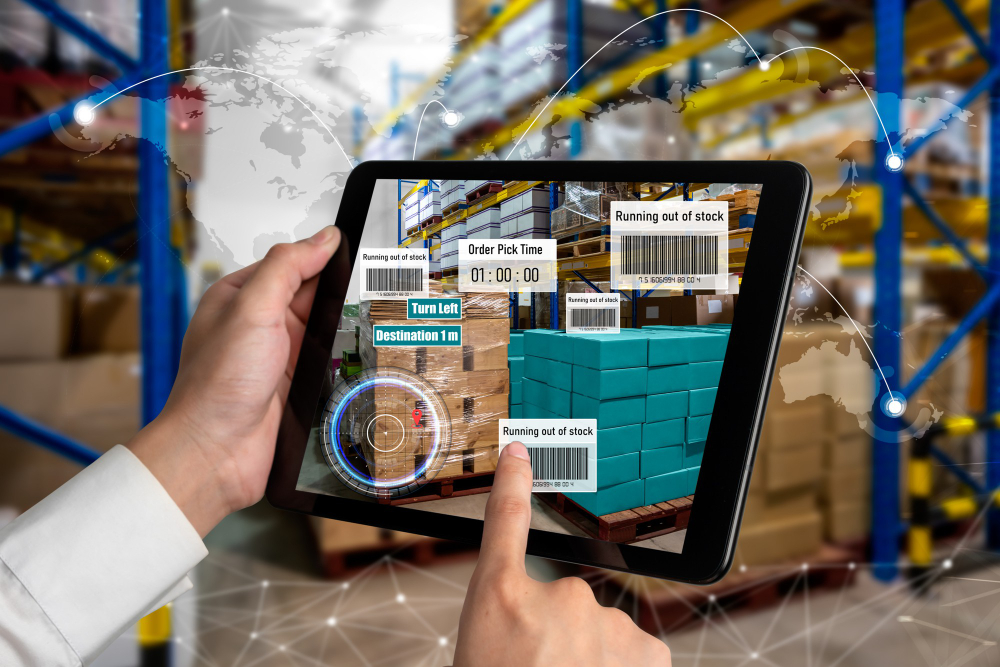
Supply chain control towers are centralized digital platforms designed to provide end-to-end visibility across supply chain operations. They collect and analyze data from suppliers, logistics providers, warehouses, manufacturers, and transportation systems to create a unified operational view.
The objective is not only to track activities, but also to enable faster and more informed decision-making.
How They Function
Most Supply chain control towers operate through the integration of technologies such as cloud platforms, IoT devices, AI-driven analytics, and real-time tracking systems.
They typically perform five key functions:
- Monitoring supply chain activities in real time
- Detecting disruptions or delays early
- Generating predictive insights
- Supporting decision-making through analytics
- Coordinating responses across stakeholders
Instead of relying on disconnected systems, organizations use centralized dashboards that provide a holistic operational perspective.
Moving Beyond Visibility
Traditional supply chain systems often focus on reporting what has already happened. In contrast, Supply chain control towers aim to create proactive and predictive capabilities.
This shift from reactive operations to intelligent orchestration is what makes them strategically valuable in 2026.
Key Benefits of Supply Chain Control Towers for Modern Businesses
Improved End-to-End Visibility
One of the biggest advantages of Supply chain control towers is their ability to provide visibility across the entire network.
Organizations can monitor inventory movement, transportation status, supplier performance, and operational bottlenecks in real time.
Faster Response to Disruptions
Delays, shortages, and logistics disruptions can escalate quickly if not identified early. Control towers help organizations detect issues faster and coordinate corrective actions before disruptions spread across the network.
Better Decision-Making
Real-time analytics allow businesses to make data-driven decisions rather than relying on assumptions or delayed reporting.
This improves agility and operational responsiveness.
Enhanced Collaboration
Supply chains involve multiple stakeholders. Control towers for supply chains create a shared operational environment where suppliers, logistics providers, and internal teams can collaborate more effectively.
Cost Optimization
Improved visibility and coordination help reduce inefficiencies, minimize delays, and optimize inventory levels.
Over time, this contributes to better cost management and stronger operational performance.
Common Challenges in Implementing Supply Chain Control Towers
Despite their benefits, implementing Supply chain control towers is not always straightforward.
Data Integration Complexity
Many organizations operate with fragmented systems across different regions and functions. Integrating these systems into a centralized platform can be technically challenging.
Poor Data Quality
A control tower is only as effective as the data it receives. Inaccurate or incomplete information limits visibility and reduces decision-making accuracy.
High Initial Investment
Technology infrastructure, integration, and training require significant investment. Some organizations struggle to justify these costs during early implementation stages.
Change Management Resistance
Employees and stakeholders may resist new digital processes, especially if they have become accustomed to traditional operational methods.
Overdependence on Technology
While automation and analytics are powerful, businesses must avoid relying entirely on technology without human judgment and strategic oversight.
These challenges explain why some implementations fail to deliver expected outcomes.
Do Supply Chain Control Towers Deliver ROI?
Measuring Operational Value
The return on investment from Supply chain control towers depends on how effectively businesses align them with their objectives.
Organizations that implement them strategically often see improvements in:
- Supply chain visibility
- Delivery performance
- Inventory optimization
- Risk mitigation
- Operational efficiency
Long-Term Strategic Benefits
Beyond immediate operational gains, control towers support broader strategic goals such as resilience, agility, and scalability.
In volatile global markets, these capabilities can provide a significant competitive advantage.
ROI Depends on Execution
Not every implementation delivers success. Businesses that treat control towers merely as software installations often fail to realize full value.
The highest ROI comes when organizations combine technology with process redesign, strong governance, and skilled professionals who can interpret insights effectively.
In many cases, the real value lies not in the platform itself, but in the organization’s ability to act on the intelligence it generates.
Skills Professionals Need to Manage Supply Chain Control Towers
Technology alone cannot drive transformation. Managing Supply chain control towers requires professionals who understand both operational complexity and strategic decision-making.
Data Analytics and Interpretation
Professionals must be able to analyze large data sets and convert insights into actionable decisions.
Digital Supply Chain Knowledge
Understanding AI, IoT, cloud platforms, and automation technologies is increasingly important in modern supply chain environments.
Risk Management Capability
Control towers are often used to identify and respond to disruptions. This function requires strong risk assessment and scenario-planning skills.
Cross-Functional Collaboration
Managing supply chain visibility across suppliers, logistics providers, and internal teams requires effective communication and coordination.
Strategic Thinking
The ability to align operational decisions with broader business goals is critical.
At KnoWerX, we equip supply chain professionals with globally aligned learning frameworks that prepare them for technology-driven supply chain environments. The focus is not only on operational efficiency but also on building strategic capabilities needed to manage complex digital ecosystems.
Ending Notes
Supply chain control towers are not simply visibility tools they represent a broader shift toward intelligent, connected supply chain management.
When implemented effectively, they improve agility, strengthen resilience, and support better decision-making across global operations. However, technology alone does not guarantee success.
The real effectiveness of Supply chain control towers depends on data quality, organizational alignment, skilled professionals, and the ability to turn insights into action.
In 2026 and beyond, businesses that successfully combine digital intelligence with strategic execution will be far better positioned to manage disruption and maintain competitive advantage.
Image Reference: Freepik
Disclaimer: All trademarks, logos, and brand names are the property of their respective owners. All company, product, and service names used in this website are for identification purposes only. Use of these names, trademarks, and brands does not imply endorsement.