Inflation Due to Supply Chain Disruption: Causes & Impact
In 2026, inflation is no longer driven only by demand surges or monetary policy shifts. Operational breakdowns within global supply chains account for a significant portion of price increases across industries. This phenomenon inflation due to supply chain disruption has become a defining challenge for businesses navigating an increasingly volatile environment.
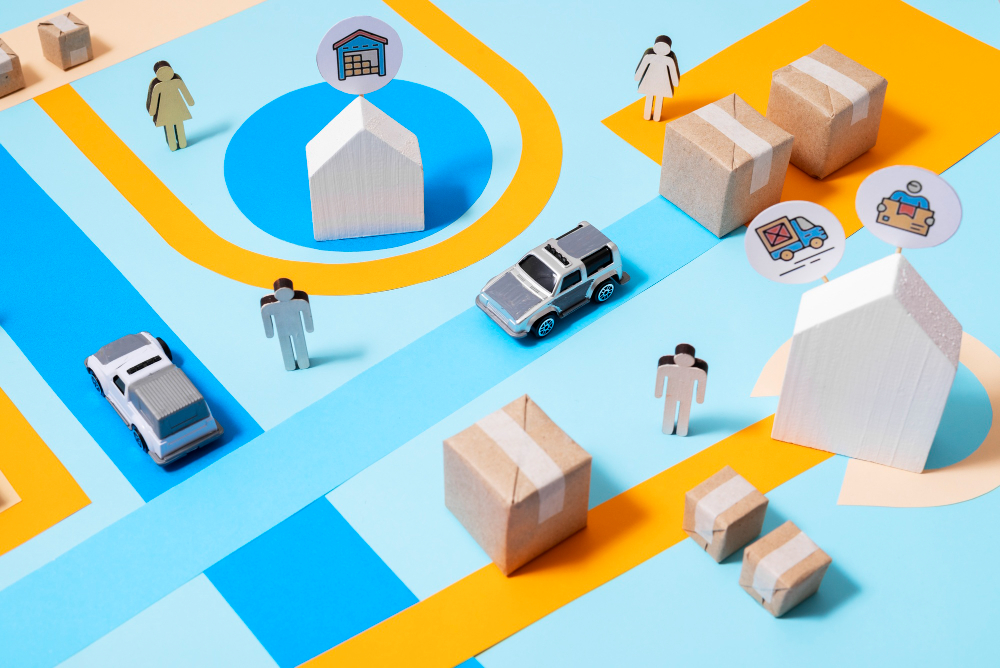
From delays in raw material sourcing to rising transportation expenses, disruptions at any stage of the supply chain now translate directly into higher prices. For organizations, understanding inflation due to supply chain disruption is critical not just for cost control, but for long-term strategic planning.
How Supply Chain Disruptions Lead to Inflation
Supply chains are built for efficiency and flow. Disruptions in the flow of supply chains lead to rising costs across multiple layers, resulting in inflation.
Supply Shortages and Demand Pressure
When disruptions limit the availability of goods or raw materials, demand begins to exceed supply. This imbalance leads to price increases, particularly for essential commodities and high-demand products.
Rising Transportation and Logistics Costs
Shipping delays, fuel price volatility, and rerouting of cargo increase logistics expenses. Supply chain disruption directly contributes to inflation by passing these additional costs along the value chain.
Production Inefficiencies
Manufacturing slowdowns caused by labor shortages, equipment issues, or material delays result in higher operational costs. These inefficiencies eventually reflect in product pricing.
Inventory Imbalances
Companies either face stockouts or hold excess inventory to hedge against uncertainty. Both scenarios create financial pressure, reinforcing inflation due to supply chain disruption.
In simple terms, when supply chains lose synchronization, inflation becomes an inevitable outcome.
Major Global Events Triggering Supply Chain Inflation
A series of global events that have reshaped trade and logistics closely link the rise of inflation to supply chain disruption.
Geopolitical Conflicts and Trade Restrictions
Sanctions, trade barriers, and political instability disrupt sourcing and transportation routes, increasing costs and uncertainty.
Post-Pandemic Structural Shifts
Even years after major global health crises, their impact continues to influence labor markets, production capacity, and logistics efficiency.
Energy Price Volatility
Fluctuating oil prices significantly affect transportation and manufacturing costs, amplifying inflation due to supply chain disruption.
Port Congestion and Infrastructure Bottlenecks
Overburdened ports, container shortages, and outdated infrastructure slow down trade flows, increasing lead times and expenses.
Climate and Environmental Disruptions
Extreme weather events disrupt production and logistics networks, adding unpredictability and cost pressure.
These overlapping factors ensure that inflation due to supply chain disruption remains persistent rather than temporary.
Impact of Supply Chain Inflation on Businesses
The consequences of inflation due to supply chain disruption go beyond rising costs they reshape business operations and competitive dynamics.
Margin Compression : Increased input and logistics costs reduce profitability, especially when businesses cannot pass on the full cost increase to customers.
Pricing Instability : Frequent cost fluctuations make it difficult to maintain consistent pricing strategies, impacting customer trust and demand patterns.
Working Capital Pressure : Higher inventory costs and longer lead times tie up capital, limiting financial flexibility.
Operational Disruptions : Unpredictable supply conditions affect production planning, scheduling, and delivery performance.
Competitive Challenges : Organizations that fail to manage inflation due to supply chain disruption risk losing market share to more agile competitors.
In this environment, inflation becomes a direct reflection of supply chain performance.
How Supply Chain Professionals Can Mitigate Inflation Risks
Managing inflation due to supply chain disruption requires a proactive, structured approach that integrates strategy, technology, and capability building.
Supply Chain Diversification : Reducing dependence on single suppliers or regions improves flexibility and minimizes disruption impact.
Strategic Sourcing and Contracts : Long-term agreements and flexible pricing models help stabilize costs and reduce exposure to volatility.
Digital Visibility and Analytics : Real-time data and predictive insights enable faster decision-making and proactive risk management.
Inventory Optimization : Balancing safety stock with lean practices helps absorb disruptions without significantly increasing costs.
Scenario Planning and Risk Management : Preparing for different disruption scenarios ensures a quicker response and reduced impact.
However, strategies alone are not enough. The ability to manage inflation due to supply chain disruption depends on the expertise of supply chain professionals.
This is where advanced learning becomes critical. Certifications such as CSCP (Certified Supply Chain Professional) and CPIM (Certified in Planning and Inventory Management) offer organised frameworks for comprehending and managing complex supply chain dynamics.
At KnoWerX, these globally recognized programs are delivered with a strong focus on real-world application. KnoWerX trains professionals to transcend operational efficiency and devise strategies that incorporate resilience, cost control, and long-term performance.
Frequently Asked Questions
What is inflation due to supply chain disruption?
It refers to rising prices caused by inefficiencies, delays, and disruptions in sourcing, production, and logistics.
How do supply chain disruptions lead to inflation?
Disruptions create shortages, increase transportation costs, and reduce efficiency, all of which drive up prices.
How does this type of inflation impact businesses?
It leads to higher costs, reduced profit margins, pricing instability, and operational challenges.
Ending Notes
Inflation due to supply chain disruption is not a short-term fluctuation it is a structural reality of modern global trade. Pricing dynamics now deeply interconnect with disruptions in sourcing, production, and logistics.
For businesses, the challenge is not just to manage rising costs, but to address the underlying causes strategically. This requires diversification, digital capabilities, and skilled professionals who can navigate complexity.
Organizations that invest in these areas will be better positioned to control costs, maintain stability, and compete effectively.
Because in 2026 and beyond, managing inflation begins with managing the supply chain.
Image Reference: Freepik
Disclaimer: All trademarks, logos, and brand names are the property of their respective owners. All company, product, and service names used in this website are for identification purposes only. Use of these names, trademarks, and brands does not imply endorsement.