
Red Sea Shipping Crisis: Impact on Oil, Trade & Shipping Routes
Global supply chains in 2026 are operating under increasing pressure, and one of the most significant disruptions affecting international trade today is the Red Sea shipping crisis. What began as a regional security concern has rapidly evolved into a major challenge for shipping networks, oil transportation, and global logistics planning.
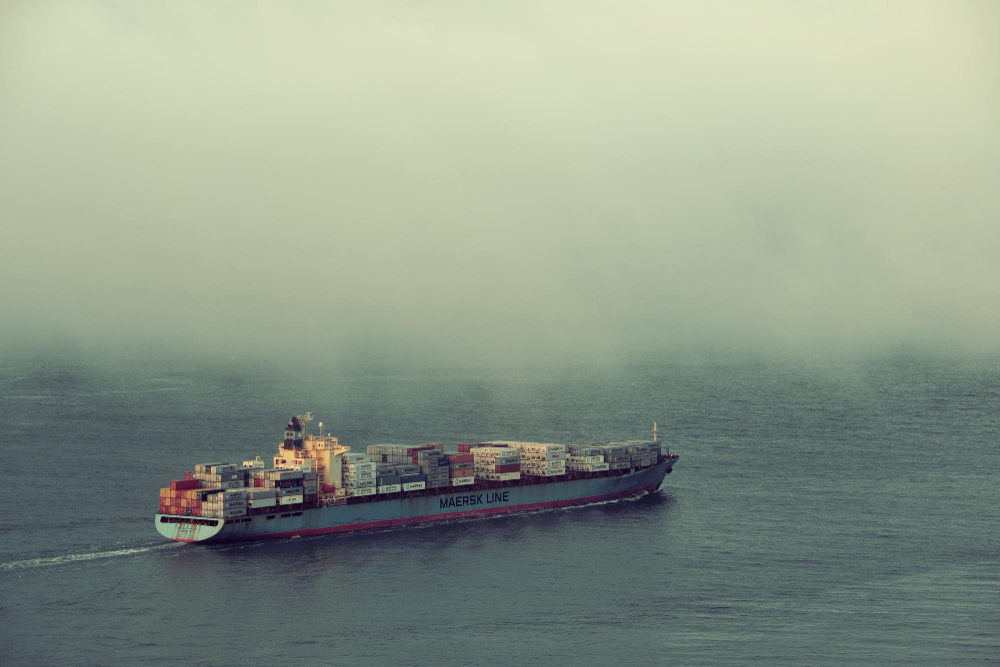
The Red Sea shipping crisis is not just impacting maritime operations it is reshaping freight economics, increasing supply chain risk, and forcing businesses to rethink how global trade routes are structured. For organizations dependent on international sourcing and transportation, understanding this crisis is essential for building resilience and maintaining continuity.
What Is the Red Sea Shipping Crisis and Why It Matters to Global Supply Chains
The Red Sea shipping crisis refers to the growing instability and security threats affecting one of the world’s most important maritime trade corridors. The Red Sea connects the Mediterranean Sea to the Indian Ocean through the Suez Canal, making it a critical route for global trade.
A substantial portion of international cargo, container traffic, and energy shipments pass through this region every year. Any disruption in this corridor immediately affects global supply chains.
A Strategic Trade Corridor Under Pressure
The importance of the Red Sea lies in its geographic position. It serves as one of the shortest and most efficient trade routes between Asia, Europe, and parts of the Middle East.
However, rising geopolitical tensions and security threats in the region have increased operational uncertainty. Shipping companies are facing higher risks, forcing many to reconsider traditional routing strategies during the Red Sea shipping crisis.
Why Businesses Across Industries Are Affected
The Red Sea shipping crisis impacts more than just shipping companies. Manufacturers, retailers, logistics providers, and energy-dependent industries all feel the impact.
Longer transit times, delayed deliveries, and rising freight costs are disrupting production schedules and inventory planning worldwide.
In today’s interconnected economy, a disruption in one maritime corridor can ripple across multiple industries and geographies.
How the Red Sea Shipping Crisis Is Affecting Oil and Energy Markets
One of the most immediate consequences of the Red Sea shipping crisis is its effect on global oil and energy flows.
Disruption of Energy Transportation Routes
The Red Sea is a major pathway for crude oil and liquefied natural gas (LNG) shipments moving between producing and consuming regions.
When security risks increase, shipping operators may delay transit, reduce movement through affected zones, or reroute vessels entirely. These disruptions create uncertainty in global energy supply chains.
Rising Oil Transportation Costs
The Red Sea shipping crisis has contributed to higher shipping insurance premiums, increased fuel consumption due to rerouting, and elevated operational expenses.
These rising costs eventually impact oil prices and transportation economics globally.
Increased Market Volatility
Energy markets are highly sensitive to geopolitical developments. Even the possibility of prolonged disruption during the Red Sea shipping crisis can trigger fluctuations in oil pricing and supply expectations.
This volatility affects industries far beyond the energy sector, influencing manufacturing, logistics, and overall inflation.
Pressure on Global Supply Chains
As transportation expenses rise, businesses experience additional pressure on margins and operational planning. The crisis shows how closely energy movement and supply chain stability interconnect.
Alternative Trade Routes Companies Are Using During the Red Sea Shipping Crisis
To manage disruption, many organizations are adopting alternative routing strategies during the Red Sea shipping crisis.
Diversion Around the Cape of Good Hope
One of the most common alternatives is rerouting vessels around the Cape of Good Hope in South Africa.
While this route allows shipments to avoid high-risk areas, it significantly increases transit time and fuel costs. Longer shipping durations also affect inventory cycles and delivery schedules.
Regionalized Sourcing and Nearshoring
Some businesses are reducing dependency on long-distance trade routes by moving sourcing and production closer to end markets.
Nearshoring strategies help reduce exposure to disruptions associated with the Red Sea shipping crisis and improve supply chain responsiveness.
Multi-Modal Transportation Networks
Organizations are increasingly using combinations of sea, rail, road, and air transportation to maintain flexibility.
Although these alternatives may involve higher costs, they provide critical continuity during periods of instability.
Strategic Logistics Diversification
Companies are also diversifying ports, carriers, and distribution networks to reduce dependency on any single corridor.
This shift reflects a broader movement toward resilient logistics systems capable of adapting to changing global conditions.
Supply Chain Risk Mitigation Strategies Amid the Red Sea Shipping Crisis
The Red Sea shipping crisis highlights the growing importance of proactive risk management in global supply chains.
End-to-End Supply Chain Visibility
Real-time tracking and digital monitoring systems enable businesses to identify disruptions early and respond quickly.
Visibility is critical in managing delays, rerouting decisions, and inventory allocation.
Supply Chain Diversification
Reducing reliance on single suppliers, ports, or shipping routes improves resilience and operational flexibility.
Diversification helps organizations continue operations even when major corridors are disrupted.
Strategic Inventory Planning
Maintaining buffer inventory for critical products helps businesses absorb short-term disruptions without halting operations.
The challenge lies in balancing resilience with inventory costs.
Scenario Planning and Risk Assessment
Businesses must regularly evaluate potential disruption scenarios and develop contingency plans in advance.
Preparedness reduces response time and minimizes operational impact during crises like the Red Sea shipping crisis.
Building Strategic Capability Through Learning
Supply chain resilience depends not only on systems and technology, but also on skilled professionals who can manage complexity effectively.
At KnoWerX, we train supply chain professionals to understand evolving global trade risks and build adaptive strategies through globally aligned learning frameworks. The focus is on developing the capability to anticipate disruptions, evaluate risks, and make informed strategic decisions.
The Strategic Shift in Global Trade
The Red Sea shipping crisis reflects a broader transformation in global trade dynamics. Supply chains designed primarily for efficiency are now testing their resilience.
Businesses can no longer assume uninterrupted global movement. Geopolitical instability, transportation vulnerabilities, and rising uncertainty are becoming structural realities of international trade.
As a result, organizations are shifting toward supply chain models that prioritize flexibility, diversification, and visibility alongside cost optimization.
Frequently Asked Questions
What is the Red Sea shipping crisis?
The Red Sea shipping crisis refers to growing instability and security threats in one of the world's most critical maritime trade corridors — the Red Sea — which connects the Mediterranean Sea to the Indian Ocean through the Suez Canal.
Why does the Red Sea shipping crisis matter to global supply chains?
A substantial portion of international cargo, container traffic, and energy shipments pass through this region. Any disruption immediately causes longer transit times, delayed deliveries, and rising freight costs, disrupting production schedules and inventory planning worldwide.
What is the broader lesson for businesses?
Supply chains built purely for efficiency are proving vulnerable. Resilience — through flexibility, diversification, and visibility is now a strategic necessity, not an option.
Ending Notes

The Red Sea shipping crisis is more than a regional shipping challenge it is a global supply chain disruption with far-reaching consequences for oil markets, trade flows, and logistics operations.
For businesses, the lesson is clear: resilience can no longer be treated as a secondary objective. Organizations must prepare for uncertainty by diversifying networks, strengthening visibility, and building strategic capability.
Because in 2026 and beyond, the ability to adapt to disruption will define the strength of a supply chain far more than efficiency alone.
Image Reference: Freepik
Disclaimer: All trademarks, logos, and brand names are the property of their respective owners. All company, product, and service names used in this website are for identification purposes only. Use of these names, trademarks, and brands does not imply endorsement.