Green Logistics: The Future of Sustainable Supply Chains in 2026
Sustainability is no longer a parallel business objective it is becoming a central pillar of supply chain strategy. In 2026, organizations are under growing pressure to reduce emissions, optimize resource usage, and align logistics operations with environmental goals. At the center of this transformation is green logistics, an approach that integrates sustainability into the movement, storage, and distribution of goods.

What was once considered a corporate responsibility initiative has now evolved into a competitive necessity. Businesses that embrace green logistics are reducing environmental impact and improving operational efficiency, strengthening brand reputation, and preparing for future regulatory expectations.
What Is Green Logistics and Why It Matters in 2026
Understanding Green Logistics :- Green logistics refers to the implementation of environmentally sustainable practices across logistics and supply chain operations. This includes transportation, warehousing, packaging, inventory management, and reverse logistics.
The objective is not simply to reduce emissions it is to redesign logistics systems in a way that balances environmental responsibility with operational performance.
Why Green Logistics Is Becoming Critical
Global supply chains are responsible for a significant portion of industrial carbon emissions. As governments introduce stricter environmental regulations and consumers become more sustainability-conscious, they push businesses to rethink traditional logistics models.
In 2026, green logistics matters because sustainability is directly linked to long-term business resilience. Companies that fail to adapt may face rising compliance costs, reputational risks, and reduced competitiveness.
The Shift from Cost-Driven to Sustainability-Driven Logistics
Historically, logistics decisions were largely driven by speed and cost optimization. While those priorities remain important, organizations are now integrating sustainability metrics into strategic decision-making.
This shift is transforming green logistics from an optional initiative into a core operational framework.
Key Green Logistics Strategies Companies Are Adopting
To build sustainable supply chains, organizations are implementing a range of green logistics strategies designed to reduce waste, emissions, and inefficiencies.
Route Optimization and Smart Transportation
Businesses are using advanced routing systems to reduce fuel consumption and improve transportation efficiency. Optimized delivery routes lower emissions while also reducing operational costs.
Adoption of Electric and Alternative Fuel Vehicles:- Many organizations are transitioning toward electric delivery fleets and alternative fuel transportation models as part of their green logistics strategy.
Sustainable Warehousing Practices:- Energy-efficient lighting, renewable energy usage, and automated systems are helping warehouses reduce their environmental footprint.
Packaging Optimization:- Reducing excess packaging, using recyclable materials, and improving packaging design are becoming essential components of sustainable logistics operations.
Reverse Logistics and Circular Supply Chains:- Companies are increasingly focusing on product returns, recycling, and reuse. This approach supports circular economy principles while strengthening green logistics initiatives.
Localized and Regionalized Supply Chains:- Reducing transportation distances through nearshoring and regional sourcing lowers emissions and improves supply chain resilience simultaneously.
When integrated effectively, these strategies allow businesses to align sustainability goals with operational performance.
Technology Driving Green Logistics Transformation
Technology is playing a critical role in accelerating the adoption of green logistics across industries.
Artificial Intelligence and Predictive Analytics:- AI-powered systems help organizations forecast demand more accurately, optimize routes, and reduce unnecessary transportation activities.
Internet of Things (IoT):- IoT-enabled sensors provide real-time visibility into vehicle performance, fuel usage, and warehouse operations, improving efficiency and reducing waste.
Blockchain for Supply Chain Transparency:- Blockchain technology enhances traceability, enabling companies to verify sustainable sourcing and logistics practices.
Automation and Robotics:- Automated warehousing systems reduce energy consumption and improve operational precision, supporting green logistics objectives.
Digital Supply Chain Platforms:- Integrated digital platforms improve coordination across suppliers, transport providers, and distributors, enabling more efficient and sustainable operations.
These technologies are transforming green logistics from a compliance exercise into a data-driven strategic capability.
Challenges in Implementing Green Logistics Initiatives
Despite its advantages, implementing green logistics is not without challenges.
High Initial Investment:- Transitioning to sustainable infrastructure, electric fleets, and advanced technologies often requires significant capital investment.
Infrastructure Limitations:- In many regions, the infrastructure needed to support green transportation and renewable energy adoption is still developing.
Balancing Sustainability with Cost Efficiency:- Organizations must manage the challenge of reducing environmental impact without significantly increasing operational costs.
Supplier and Partner Alignment:- Achieving sustainability goals requires coordination across the entire supply chain ecosystem. Misalignment among partners can slow progress.
Measurement and Reporting Complexity:- Tracking carbon emissions and sustainability performance across complex supply chains remains a major challenge for many businesses.
These barriers highlight why green logistics requires not just technology, but also strategic leadership and long-term commitment.
Skills Supply Chain Professionals Need for Green Logistics Leadership
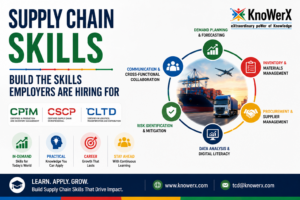
The evolution of green logistics is changing the role of supply chain professionals. Sustainability-focused supply chains require a broader and more strategic skill set.
Sustainability and ESG Knowledge:- Professionals must understand environmental regulations, sustainability frameworks, and ESG principles.
Data Analytics and Digital Capability:- The ability to analyze operational and environmental data is critical for improving logistics efficiency and sustainability performance.
Strategic Supply Chain Design:- Building sustainable logistics networks requires balancing cost, speed, resilience, and environmental impact.
Collaboration and Stakeholder Management:- Sustainability initiatives involve multiple stakeholders across suppliers, logistics providers, and regulatory bodies.
Innovation and Change Management:- Driving green logistics transformation requires the ability to lead organizational change and adopt new technologies effectively.
At KnoWerX, we equip supply chain professionals with globally aligned learning frameworks that prepare them to lead in evolving logistics environments. The focus is on building strategic capabilities that integrate sustainability, resilience, and operational excellence.
Frequently Asked Questions
What is green logistics?
Green logistics refers to environmentally sustainable practices used in transportation, warehousing, packaging, and supply chain operations to reduce environmental impact.
Why is green logistics important in 2026?
Green logistics is important because businesses face increasing pressure to reduce carbon emissions, comply with environmental regulations, and meet sustainability expectations.
How does green logistics benefit businesses?
It helps improve operational efficiency, reduce fuel and energy costs, strengthen brand reputation, and support long-term sustainability goals.
Ending Notes

In 2026, green logistics is no longer a future concept, it is a present-day business imperative. Organizations are being challenged to redesign supply chains that are not only efficient but also environmentally sustainable.
The future of logistics will be shaped by companies that can reduce emissions, optimize resources, and adapt to changing regulatory and market expectations.
Businesses that invest in sustainable logistics strategies, digital transformation, and skilled professionals will better position themselves to lead in this evolving landscape.
Because the future of supply chains will not be defined solely by how fast goods move but by how responsibly they move.
Image Reference: Freepik
Disclaimer: All trademarks, logos, and brand names are the property of their respective owners. All company, product, and service names used in this website are for identification purposes only. Use of these names, trademarks, and brands does not imply endorsement.