Supply Chain Disruptions | Build Resilience and Respond With Confidence | KnoWerX
No supply chain is immune to disruption. Whether it is a natural disaster shutting down a key supplier, a geopolitical event restricting trade routes, or a sudden spike in demand that outpaces available inventory, supply chain disruptions have the potential to affect every link in the chain simultaneously.
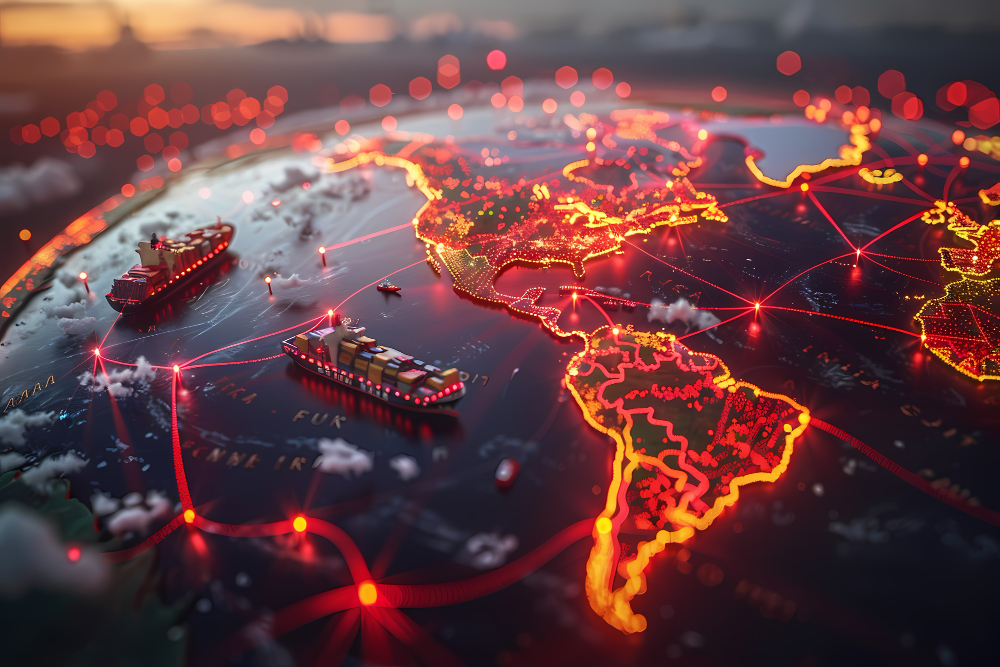
For organisations that depend on the seamless movement of goods, materials, and information, understanding what causes these disruptions and how to respond to them effectively is no longer optional it is a core professional competency.
Understanding Supply Chain Disruptions and Their Business Impact
Supply chain disruptions are events or circumstances that interfere with the regular movement of products, services or information throughout a supply chain. They can have an immediate and severe impact on business performance. The most common consequences are production stoppages, missed customer delivery commitments, emergency procurement costs and reputational damage and in serious cases the financial impact can last for months or even years after the original disruption has passed.
One of the challenges with supply chain disruptions is that they tend to cascade. A delay in one part of the chain doesn’t just affect that link it causes knock-on effects that ripple upstream and downstream, affecting suppliers, manufacturers, distributors and customers in ways that can be hard to predict or contain. In particular, organisations that lack supply chain-wide visibility are vulnerable to this cascading effect, as they often cannot quickly enough identify the source of a disruption to respond before the damage has spread.
Common Causes of Supply Chain Disruptions
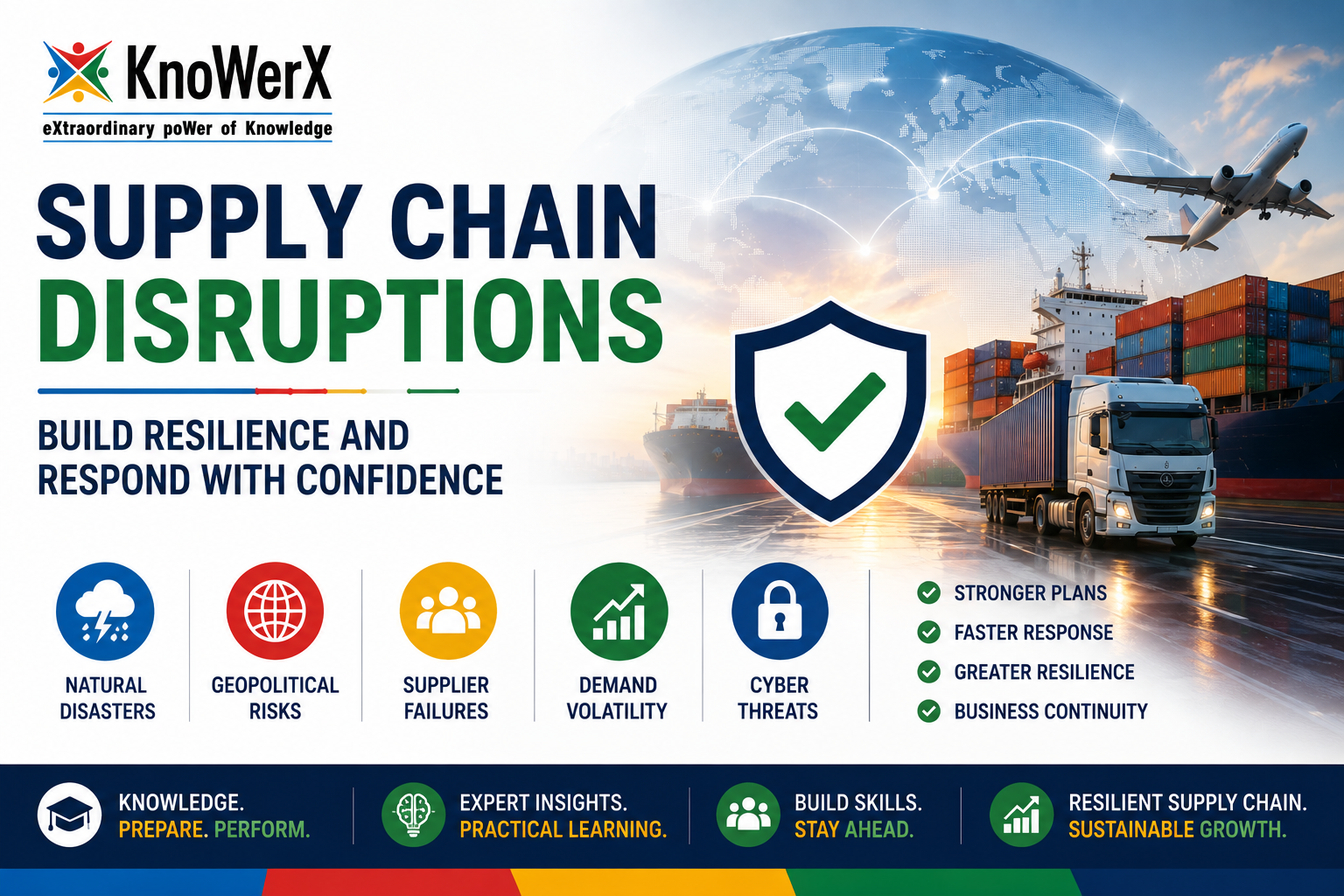
Natural Disasters and Climate Events
Floods, earthquakes, hurricanes, and extreme weather events are amongst the most unpredictable causes of supply chain disruptions. They can simultaneously affect infrastructure, workforce availability, and supplier operations across entire regions, making recovery complex and time-consuming. As climate-related events become more frequent, this category of risk is receiving growing attention from supply chain leaders worldwide.
Geopolitical Instability and Trade Disruptions
Trade restrictions, tariffs, sanctions, and political instability in key sourcing regions create significant uncertainty for organisations with global supply chains. Supply chain disruptions of this type are particularly challenging because they can emerge with little warning and are often outside the direct control of the organisations affected by them.
Supplier Failures and Concentration Risk
Over-reliance on a single supplier or a small number of suppliers for critical materials or components creates significant vulnerability. When a key supplier experiences financial difficulties, quality failures, or operational problems, the resulting supply chain disruptions can halt production and force costly emergency sourcing decisions. Supplier concentration risk is one of the most commonly cited — and most preventable — causes of supply chain disruptions.
Demand Volatility and Forecast Errors
Unexpected changes in customer demand, whether an increase or decrease, can put pressure on supply chains that are set up for a different level of volume. When real demand differs a lot from what was predicted, the resulting mismatch between supply and demand often causes problems in the supply chain, especially in industries that have long lead times or limited options from suppliers.
Cybersecurity Risks
As supply chains grow more digital and connected, they also face greater risks from cyberattacks. Ransomware attacks, data breaches, and system outages impacting logistics platforms, ERP systems, or supplier networks have become a rising cause of supply chain disruptions, potentially stopping operations across several organisations at the same time.
How Supply Chain Professionals Respond to Disruptions
Activating Contingency Plans
Effective responses to supply chain disruptions start before the disruption happens. Organisations that have strong contingency plans can quickly put their pre-approved responses into action. They can easily switch to different suppliers, change production schedules, or reroute shipments without the delays that often happen when decisions are made under pressure.
Communication and escalation across different teams
When supply chain disruptions happen, quick and clear communication between different teams is crucial. Sales, operations, procurement, and finance teams all require precise and prompt information to make coordinated decisions. Supply chain professionals who can manage this communication well are essential for minimising the effects of a disruption and keeping customer trust during the recovery phase.
Adjustments to Inventory and Sourcing for the Short Term
After supply chain disruptions, professionals often need to quickly change how they manage inventory and sourcing strategies. This could mean using up safety stock, quickly qualifying other suppliers, or focusing production on meeting the most important customer commitments.
Technologies and Best Practices for Building Supply Chain Resilience
Building resilience against supply chain disruptions requires both strategic investment and operational discipline. Supply chain visibility tools, real-time tracking platforms, and advanced analytics enable organisations to monitor their supply chains more closely and identify emerging risks before they escalate into full disruptions.
Diversifying the supplier base, holding strategic safety stock for critical components, and developing alternative sourcing options in advance are operational practices that consistently reduce both the frequency and severity of supply chain disruptions. Scenario planning and regular supply chain risk assessments are equally important, helping organisations anticipate and prepare for disruptions rather than simply reacting to them after the fact.
Frequently Asked Questions
What are supply chain disruptions?
Supply chain disruptions are events or conditions that interrupt the normal flow of goods, services, or information within a supply chain. Their impact can include production stoppages, missed deliveries, emergency procurement costs, and reputational damage that persists well beyond the original event.
How do supply chain disruptions cascade through a supply chain?
Disruptions rarely affect only one link in a supply chain. A delay or failure at one point creates knock-on effects that ripple upstream and downstream, affecting suppliers, manufacturers, distributors, and customers simultaneously. Organisations with limited supply chain visibility are particularly vulnerable to this cascading effect.
What role does technology play in managing supply chain disruptions?
Supply chain visibility tools, real-time tracking platforms, and advanced analytics enable organisations to monitor their supply chains more closely and identify emerging risks before they escalate. Digital tools also support faster, more coordinated responses when disruptions do occur.
Ending Notes – Skills Every Supply Chain Professional Needs
As supply chain disruptions become more frequent and complex, the professionals who have strong analytical skills, cross-functional collaboration capabilities and a deep understanding of risk management principles are best positioned to manage them.
The development of this capability is based on structured learning and professional certification. Supply chain professionals who earn certifications such as the CPIM and CSCP from ASCM gain the frameworks and best practices they need to design more resilient supply chains, proactively manage risk, and be ready to respond when supply chain disruptions inevitably occur.
KnoWerX training programmes are designed to equip professionals with the knowledge and practical thinking skills to confidently navigate supply chain disruptions. We are committed to ensuring that every candidate we train is ready for the challenges of today and tomorrow as the profession continues to evolve.
Image Reference: Magnific
Disclaimer: All trademarks, logos, and brand names are the property of their respective owners. All company, product, and service names used in this website are for identification purposes only. Use of these names, trademarks, and brands does not imply endorsement.